
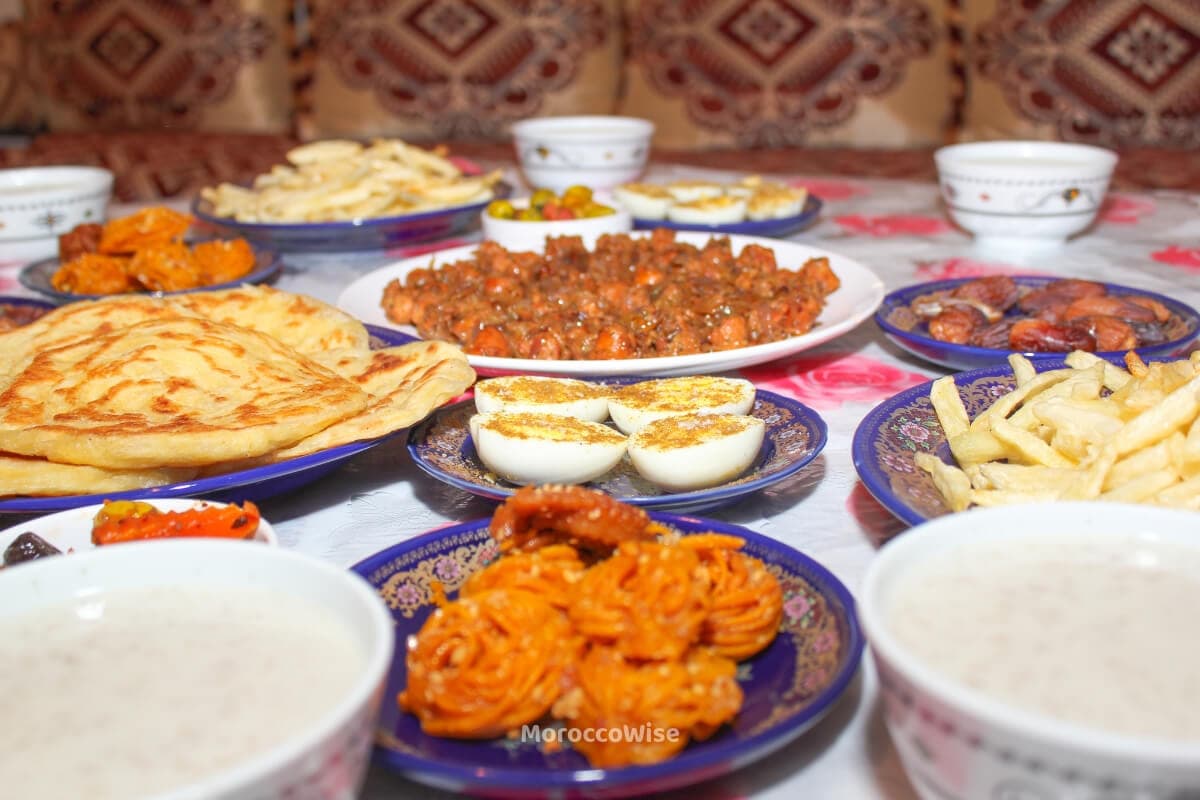
Visiting Morocco during Ramadan offers a chance to experience a meaningful month of reflection, generosity, and shared evening meals, while everyday schedules may feel different from the rest of the year. Ramadan dates move with the lunar calendar, so confirm the expected dates close to your trip. Visitors are welcome; a little flexibility, patience, and consideration help you enjoy the country without expecting every business or service to follow its usual timetable.
Know what may change during daylight
Many Muslims fast from dawn until sunset, and some cafés, restaurants, and smaller businesses may open later, close during part of the day, or adjust their hours. This varies by city, neighborhood, and individual business: tourist areas and hotels may continue to serve meals, while other places keep a quieter daytime pace. Check with your accommodation about nearby food options and current opening times instead of relying on an old online listing.
Some attractions and public services may also use altered hours. Plan a lighter morning, verify opening arrangements for museums and transport, and leave extra time for errands. The shift is not a reason to avoid the country; it is simply a different rhythm to account for when building an itinerary.
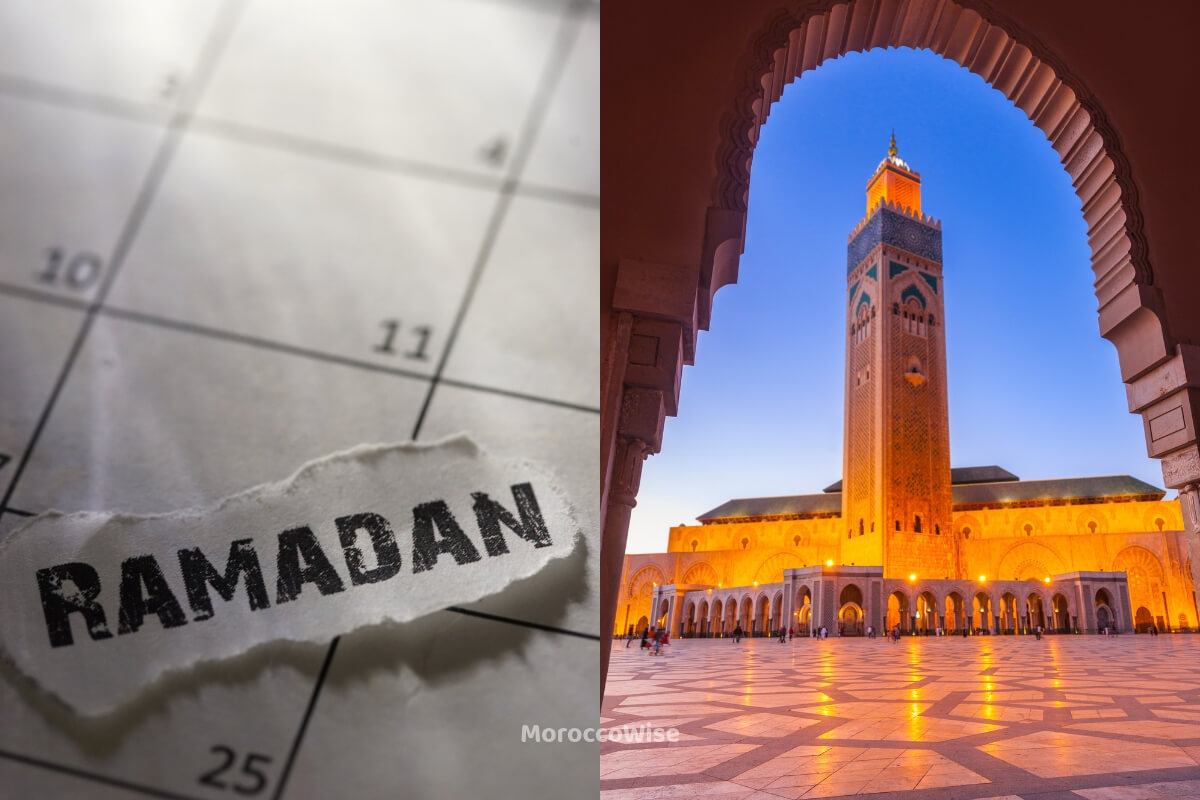
Eat and drink with awareness
Travelers who are not fasting can usually find food, particularly in hotels and larger tourist districts. In public during daylight, eating, drinking, and smoking discreetly is a considerate gesture, especially in less touristed neighborhoods. You are not expected to fast, and customs differ between people and places; use your judgment, follow local guidance, and avoid making a meal or drink an unnecessary public display.
Keep water and snacks available for travel, but ask your host where it is appropriate to eat them. If you need food for health reasons, do what is right for you and communicate your needs directly with your accommodation or tour provider. Businesses serving visitors may have private or screened areas, so ask rather than assume they are closed.
Be thoughtful around prayer and photography
Ramadan is a religious observance, not a staged attraction. Keep your voice low near prayer, ask before photographing people, and never interrupt someone’s worship for a picture. If a host or local friend invites you to share a meal, accept only if you genuinely wish to and follow their lead about timing, greetings, and what to bring.
Experience Iftar with curiosity and respect
Iftar is the meal that breaks the fast at sunset, often shared with family and friends. In many places, the approach of sunset changes the atmosphere: streets grow quieter, people head home, and restaurants prepare for the evening. Harira soup, dates, breads, sweets, and other dishes may be part of the meal, though menus and traditions vary from household to household and region to region.
Visiting Morocco during Ramadan can make an Iftar invitation especially memorable, but do not assume a private family meal is open to visitors. If you would like to experience the evening, ask your riad or a trusted local guide about a restaurant or community event that welcomes guests. Confirm the time and reservation details; service can be busy just after sunset. Be punctual, dress respectfully, and let your host explain the customs rather than treating the meal as a photo opportunity.
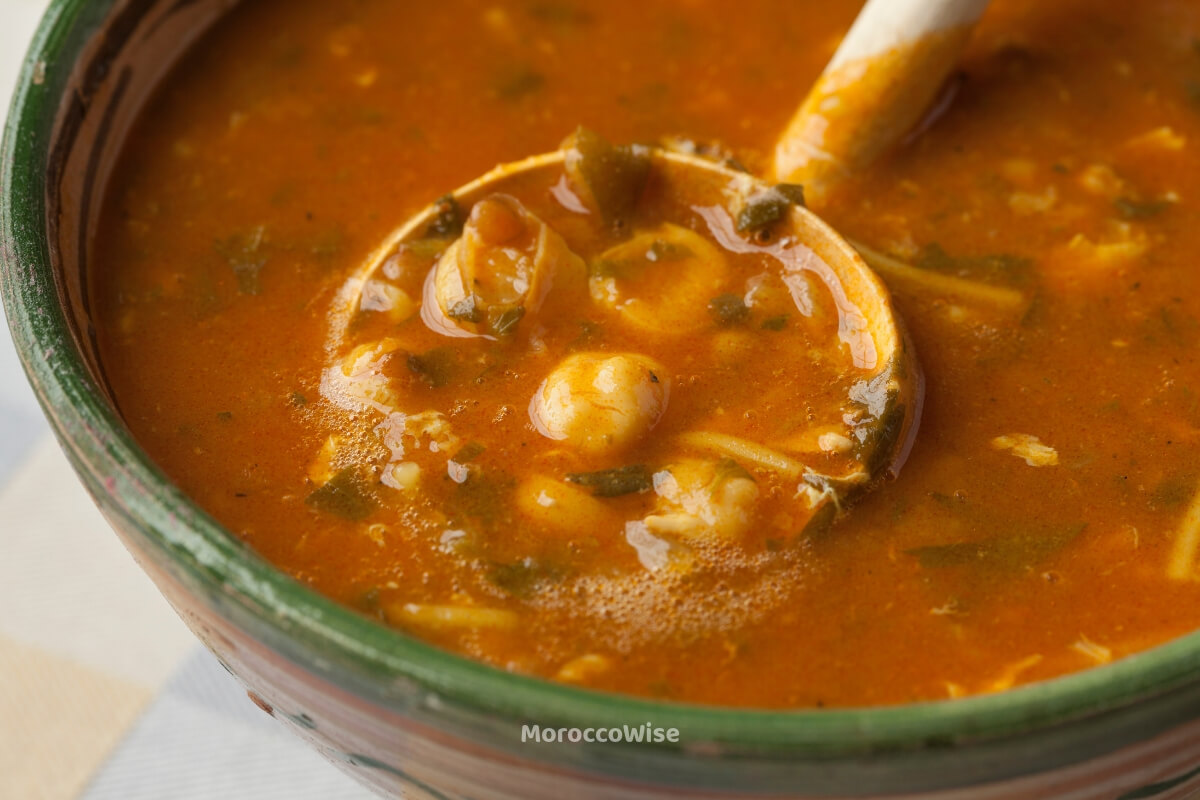
For context on the importance of the month, UNESCO describes the shared practice of Iftar and its associated sociocultural traditions. Read about it as living culture, then let local hosts and communities guide what is appropriate in the moment.
Adjust your itinerary to the evening rhythm
Keep daytime plans flexible and avoid stacking long transfers, timed tickets, and restaurant reservations too tightly. Schedule sightseeing earlier where practical, rest during the warmest part of the day, and leave room for an unhurried evening meal. Around sunset and shortly after, traffic, restaurant demand, and service patterns may change; allow extra time and be patient with staff who are observing the fast.
Visiting Morocco during Ramadan is also a good reason to confirm transport pickup times, intercity schedules, and tour arrangements directly with providers. If you are traveling between cities, check your booking again before departure and carry water and any essentials you need for the journey. Our practical travel guides can help you plan the wider trip, while our guide to local etiquette covers greetings, clothing, and photography.
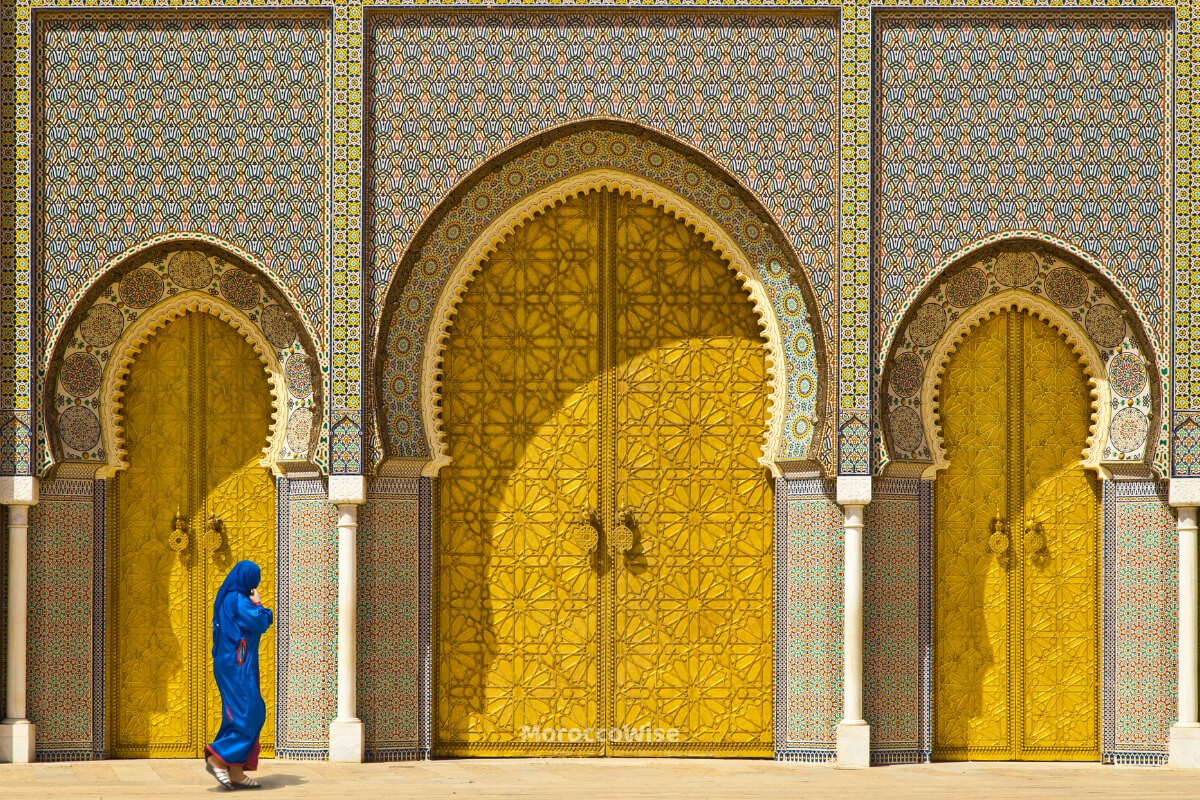
Visiting Morocco during Ramadan is most rewarding when you arrive prepared but stay open to the day’s actual pace. Verify schedules, be considerate in public, and appreciate an invitation or shared meal on the terms offered. The quieter daylight hours and generous evenings can reveal a different side of Morocco—one best experienced with respect, curiosity, and room to adapt.