
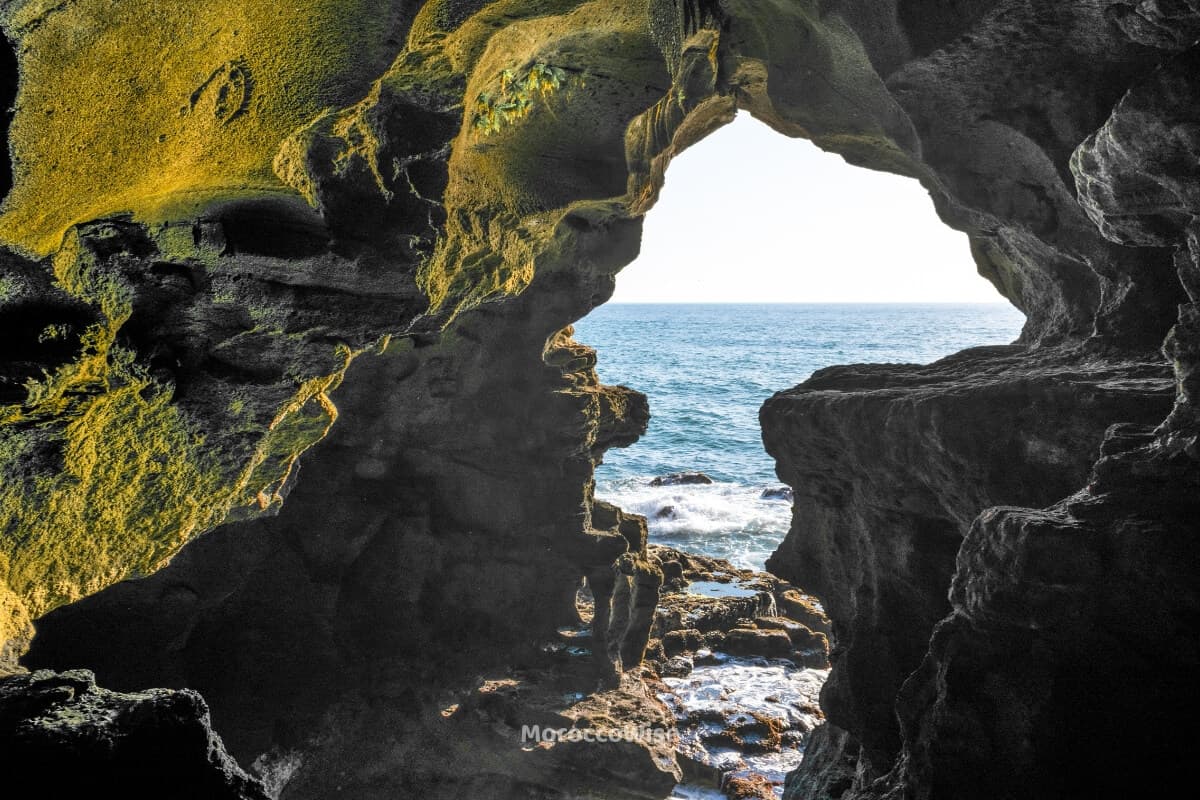
On Morocco's Atlantic coast, about 14 kilometers west of central Tangier, the Caves of Hercules combine coastal scenery, ancient stories, and a distinctive view out to sea. The large cavern opens toward the Atlantic through an aperture whose outline is often compared to the shape of Africa. It is one of the region's best-known excursions and pairs naturally with nearby Cap Spartel, making an easy half-day trip from Tangier when transport and opening arrangements line up.
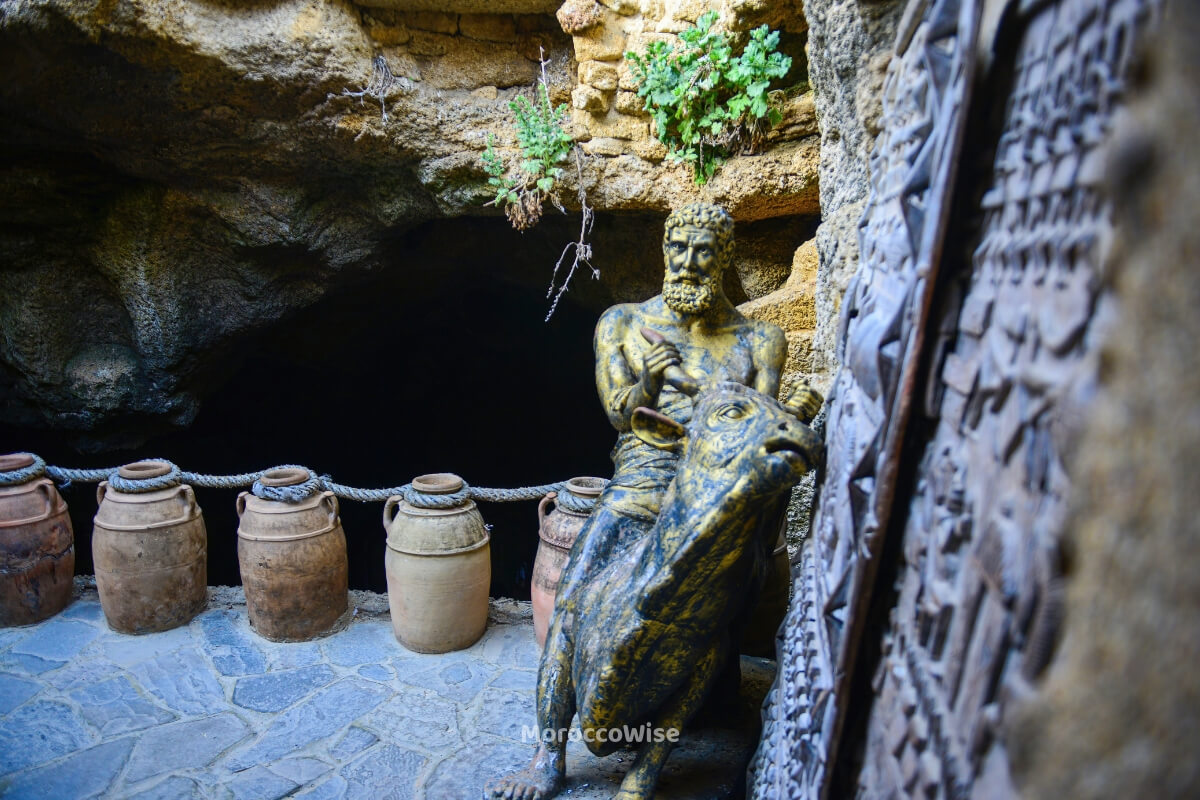
The legend of Hercules at the edge of Africa
In Greek mythology, Hercules was tasked with completing twelve labors. One tradition places him in this part of North Africa during his journey to retrieve the golden apples of the Hesperides. The caves became associated with the hero resting after his travels, and local stories connect the surrounding landscape with his legendary strength. The myths have several versions, so they are best understood as part of a long tradition of storytelling rather than as a single historical account.
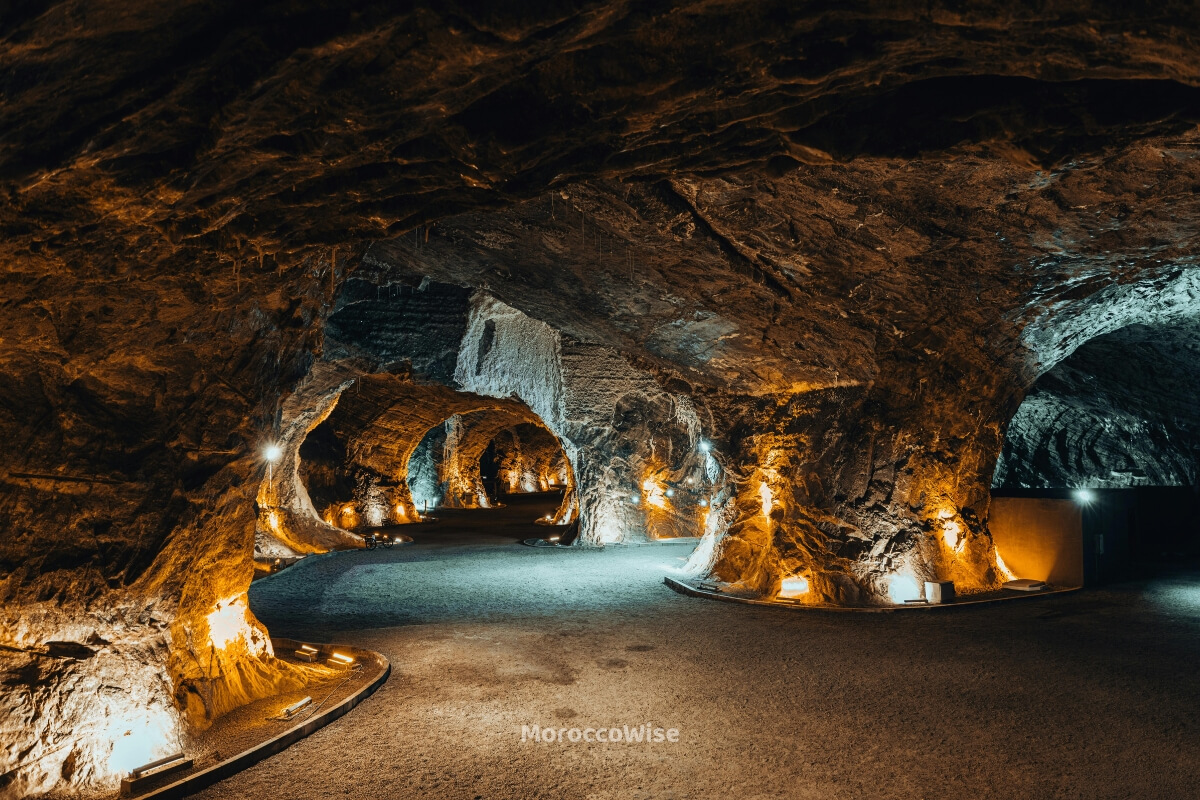
The geography itself invites a sense of scale. The cave's rock chambers and the Atlantic just beyond them make a memorable setting for the stories, while the coast has been used and reshaped by people over many centuries. The site is a natural attraction, but its layers of legend and human history are what make a visit especially compelling.
The Map of Africa sea opening
The cavern's most recognizable feature is its sea-facing opening, often nicknamed the Map of Africa because its outline resembles the continent. It is a popular place for photographs, especially when waves and changing light animate the view. You may hear that Phoenicians carved or enlarged the opening; accounts of the cave's human use and modifications vary, and that specific attribution is often repeated without clear evidence. Treat it as a local story rather than a settled archaeological fact.
Inside, look for the contrast between the rugged interior and the bright Atlantic framed by the rock. The sea can be rough, and the opening is a viewpoint—not an invitation to climb barriers or approach unstable edges. Follow posted guidance, keep children close, and take photographs from safe visitor areas.
Practical tips for visiting the caves
Check current opening hours, entrance arrangements, and any access restrictions before setting out; these details can change. The caves are outside the city center, so arrange a taxi or a planned excursion and agree on the return pickup before you leave. If you use a taxi, confirm the fare and whether the driver will wait or return at a set time. You can combine the caves with Cap Spartel and a stop along the coast, but leave enough time for travel and unhurried exploration.
Wear comfortable shoes with a firm sole because floors and steps may be uneven or damp. Bring water, sun protection, and a light layer for the coast, where wind can make it feel cooler. The caves can be busy, particularly around midday and during peak travel periods; arriving earlier may give you more room to enjoy the setting. Be considerate of other visitors and avoid leaving litter.
Make it part of a wider coastal day
Cap Spartel, with its lighthouse and ocean views, lies nearby and makes a natural companion visit. Depending on your plans, you can add a relaxed meal or a walk along the coast before returning to Tangier. The route is also a good way to see how quickly the city's urban landscape gives way to open water and rugged shoreline.
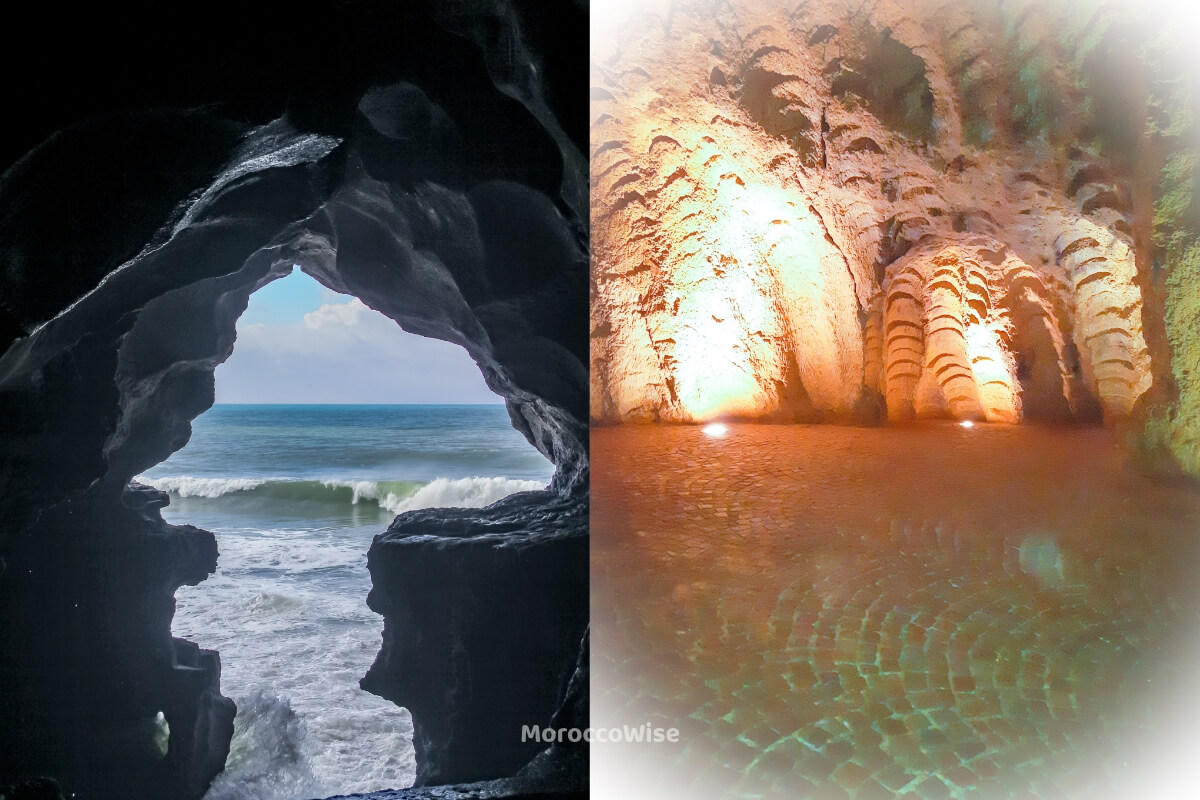
The Caves of Hercules are memorable for both the view and the stories attached to them. Visit with a little preparation, keep safety in mind around the rocks and sea, and leave room to take in the Atlantic beyond the famous opening. The combination of myth, landscape, and Tangier's nearby cultural landmarks makes this one of northern Morocco's most rewarding coastal outings.