
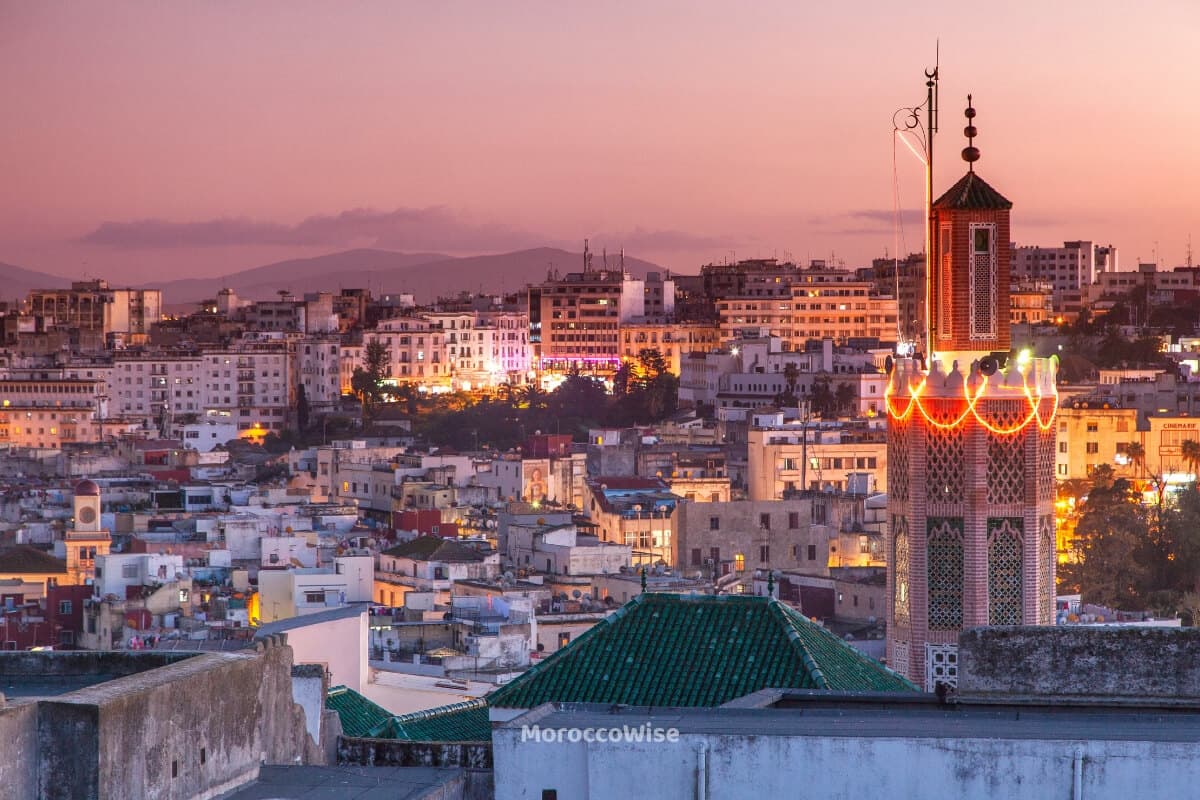
Tangier has long been shaped by its position at the northern edge of Morocco, where the Strait of Gibraltar separates Africa from Europe and the Atlantic meets the Mediterranean. The city is close to southern Spain, but its character is unmistakably Moroccan: Amazigh and Arab histories, Andalusian influence, and centuries of maritime exchange all meet in its medina, port, and neighborhoods. For travelers, Tangier is more than a gateway. It is a destination whose layered past can be read in its architecture, waterfront, and lively café culture.
A port at the crossroads of two continents
Tangier's natural harbor and commanding location made it strategically important to Phoenician, Roman, and later Mediterranean powers. Known in antiquity as Tingis, it became an important center in Roman Mauretania Tingitana. Across the centuries, control of the city shifted among Moroccan dynasties and foreign powers, while trade and migration continued to connect its people with the wider Mediterranean world.
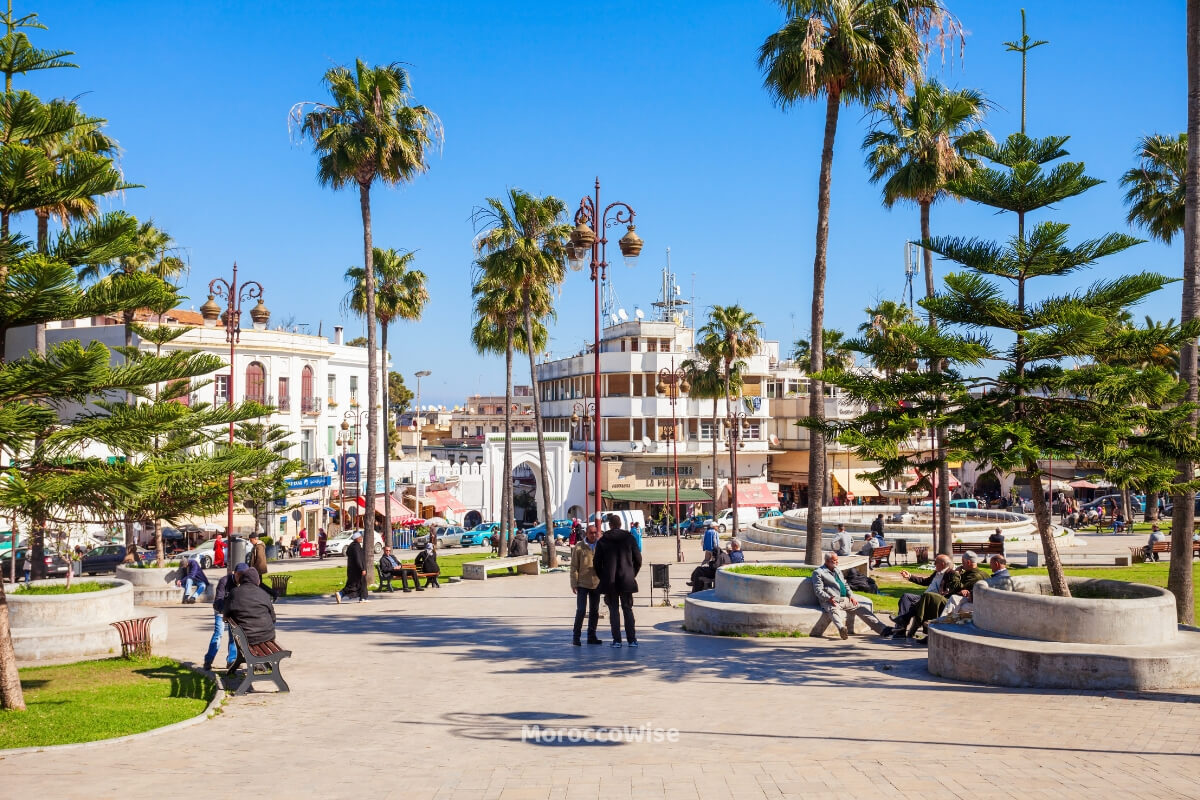
That history is not confined to museums. Walk between the port, the Grand Socco, and the old medina, and you will notice how the city faces both inland Morocco and the sea. From elevated viewpoints on a clear day, the Spanish coast can appear across the strait. Tangier's position helps explain why it has repeatedly drawn merchants, diplomats, travelers, and writers seeking a foothold between Europe and North Africa.
The International Zone and a city of many influences
In 1923, Tangier was placed under an international administration, a special status that lasted until Morocco regained independence and the city was reintegrated in 1956. During this International Zone era, foreign consulates, businesses, and expatriate communities added to the city's already diverse population. Tangier acquired an outsized reputation as a place of freedom, intrigue, and cultural experimentation. Popular accounts sometimes romanticize this period, but its history also involved political interests and unequal power, not simply bohemian glamour.
Architectural traces of different eras remain visible in the city center, around the old diplomatic quarter, and near the medina. Tangier's heritage is not a single style or story: it reflects local Moroccan life alongside centuries of contact across the strait. Take time to look beyond the most famous names and notice the everyday city—shops opening, families meeting in plazas, and the call to prayer carrying over rooftops.
Artists, writers, and the Tangier imagination
Tangier's international reputation attracted writers and artists in the twentieth century. Paul Bowles made the city his home for decades, while figures including William S. Burroughs and other members of the Beat Generation visited or worked here. Painters, musicians, and photographers were drawn to Tangier's changing light and layered urban life. Their work helped circulate an image of a place apart, though the city itself has always been more complex than any outsider's portrait.
To explore this legacy thoughtfully, combine literary landmarks with the city's contemporary cultural spaces and ordinary neighborhoods. A café may evoke the atmosphere celebrated in a novel, but Tangier is not frozen in a past era. It is a modern regional center, with new development along the waterfront and a continuing cultural scene rooted in Moroccan life.
How to experience Tangier's history
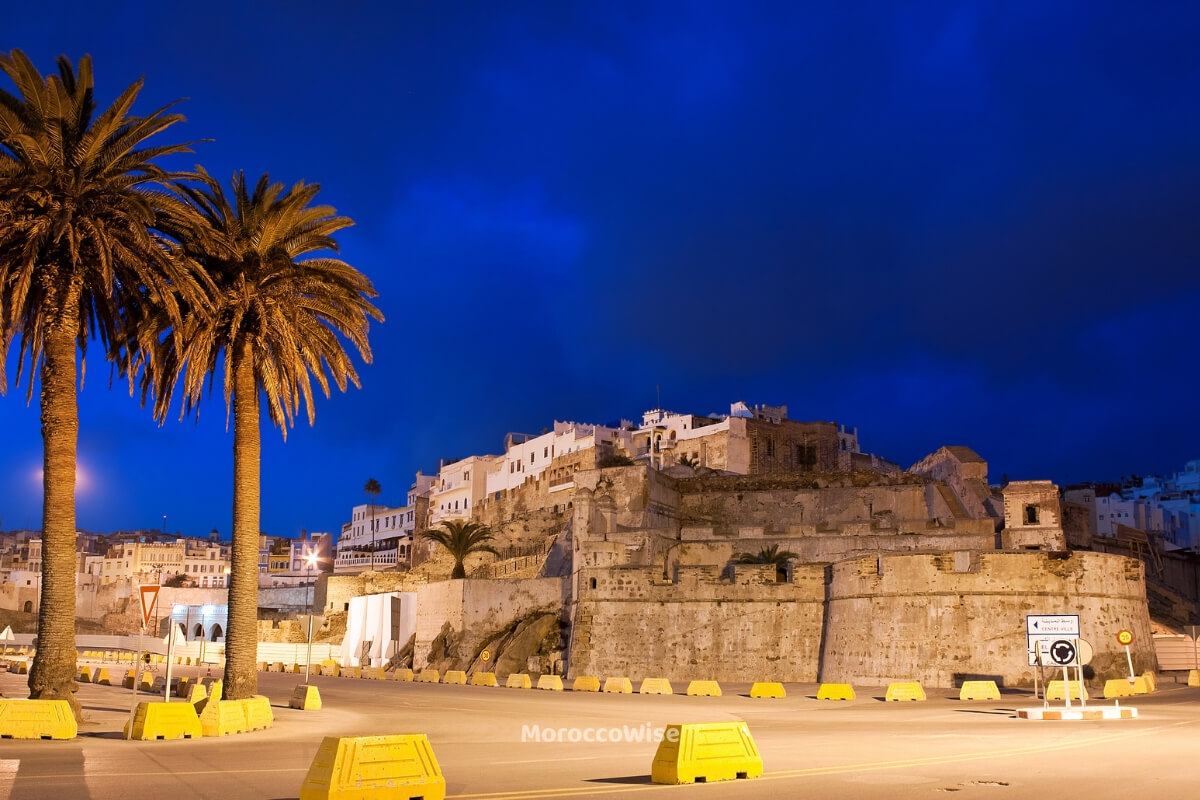
Start in the medina and Kasbah, where lanes and viewpoints reveal the old city's relationship with the port. Visit museums or historic buildings during their published opening hours, which can change, and allow time to pause at the Grand Socco between neighborhoods. A local guide can add context to the International Zone and the city's long history; confirm the route and fee before beginning. Comfortable shoes help on uneven streets, and an offline map is useful in the narrow lanes.
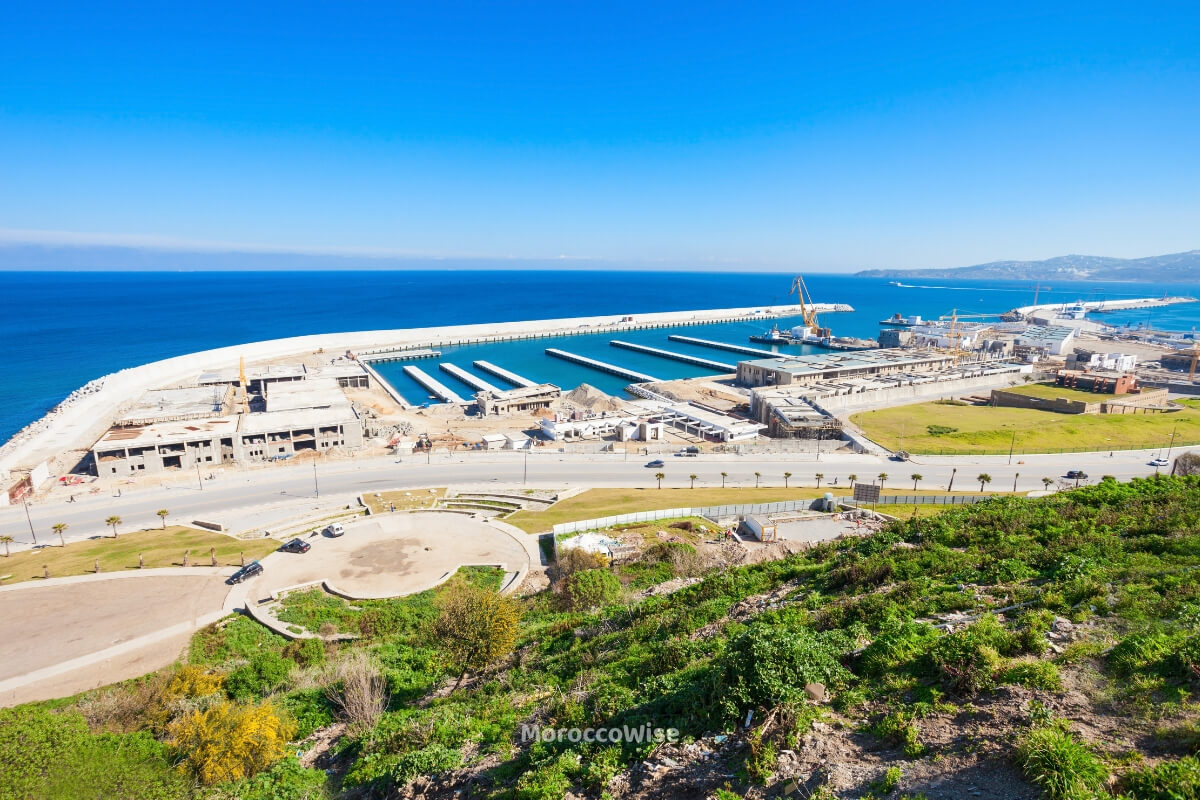
Tangier rewards visitors who look beyond the idea of a mere crossing point. Its strategic geography, complicated international past, and artistic legacy are part of a living city that continues to look in several directions at once. Spend a few days exploring at an unhurried pace, and the gateway between Africa and Europe becomes a richly layered place in its own right.