
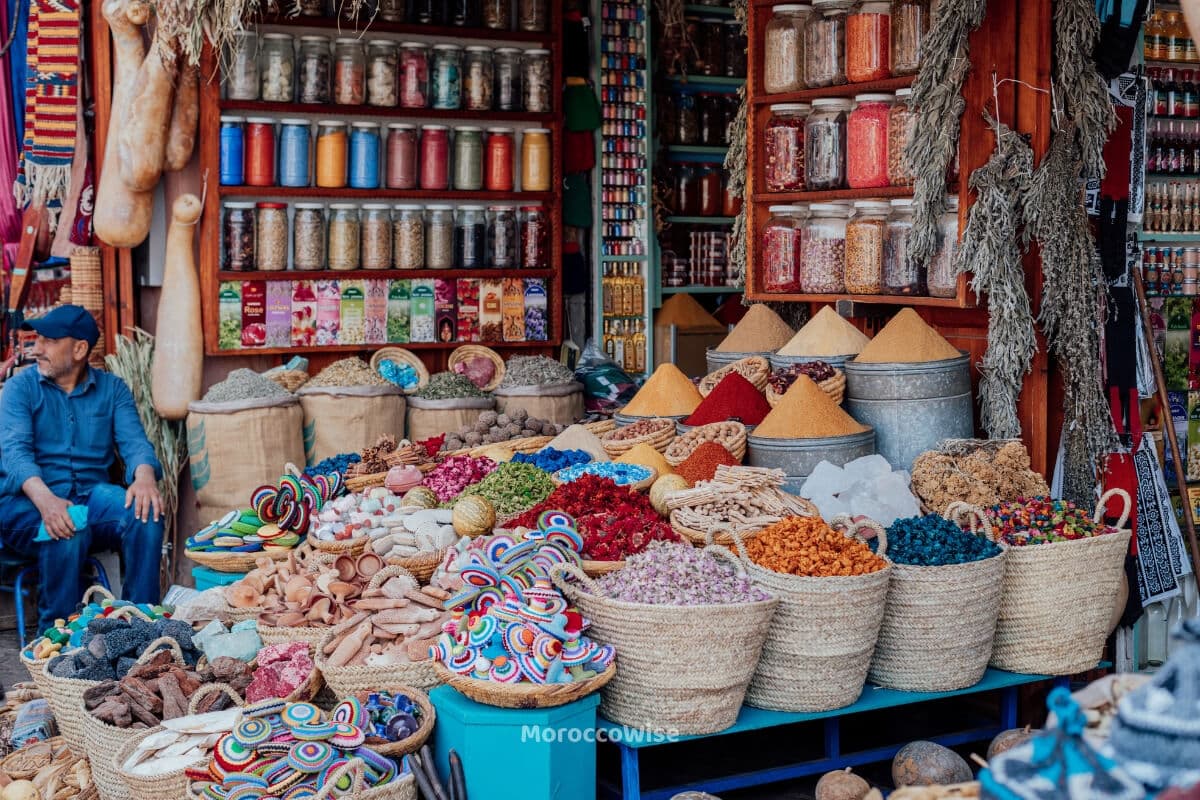
The souks of Marrakech are a network of working markets in the medina, where daily shopping shares space with workshops and visitor-facing stalls. Their lanes can feel like a maze, but the markets are easier to enjoy when you treat them as neighborhoods rather than a single shopping destination. Go with time to browse, learn what interests you, and remember that you are under no obligation to buy.
Get oriented before you shop
Save your accommodation location offline and note a familiar landmark or gate before entering the busiest lanes. The souks are arranged in overlapping areas, with some streets known for particular trades, but shops and crafts are not always confined to a single section. A map can help you regain your bearings, though small passages and changing foot traffic may not match the screen exactly. If you accept a guide, agree on the route, duration, and fee beforehand.
Visit earlier in the day for a calmer browsing experience, and take breaks when the lanes feel crowded. Wear comfortable shoes, keep your bag closed and close to you, and step aside for handcarts and motorbikes where they are permitted. Ask before photographing a person, workshop, or stall; a market is a workplace as well as a place to visit.
What you may find
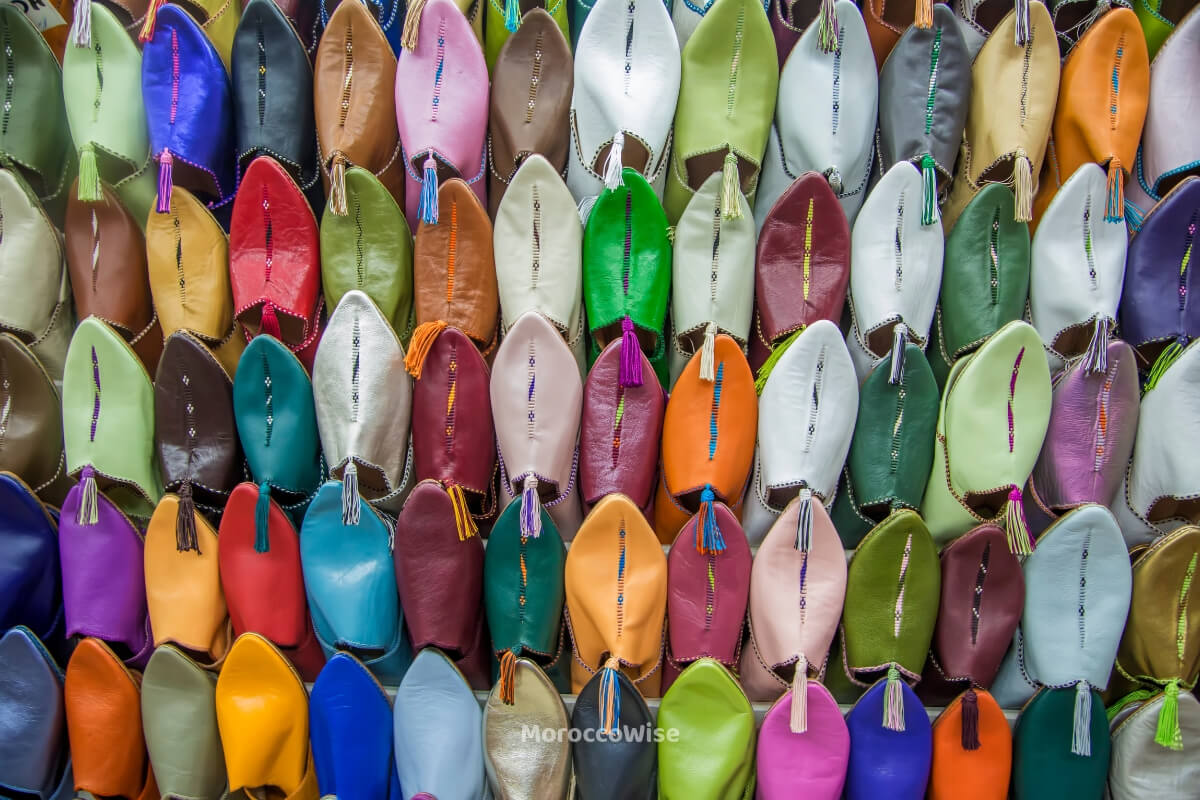
Leather goods include slippers, bags, poufs, and belts. Ask what type of leather is used, how an item was made, and whether the color or finish may transfer. If you are buying a bag or pair of slippers, check seams, lining, and comfort rather than relying only on appearance. Shipping larger pieces may be possible, but confirm the total price, delivery timeline, and what happens if the item is delayed before you pay.
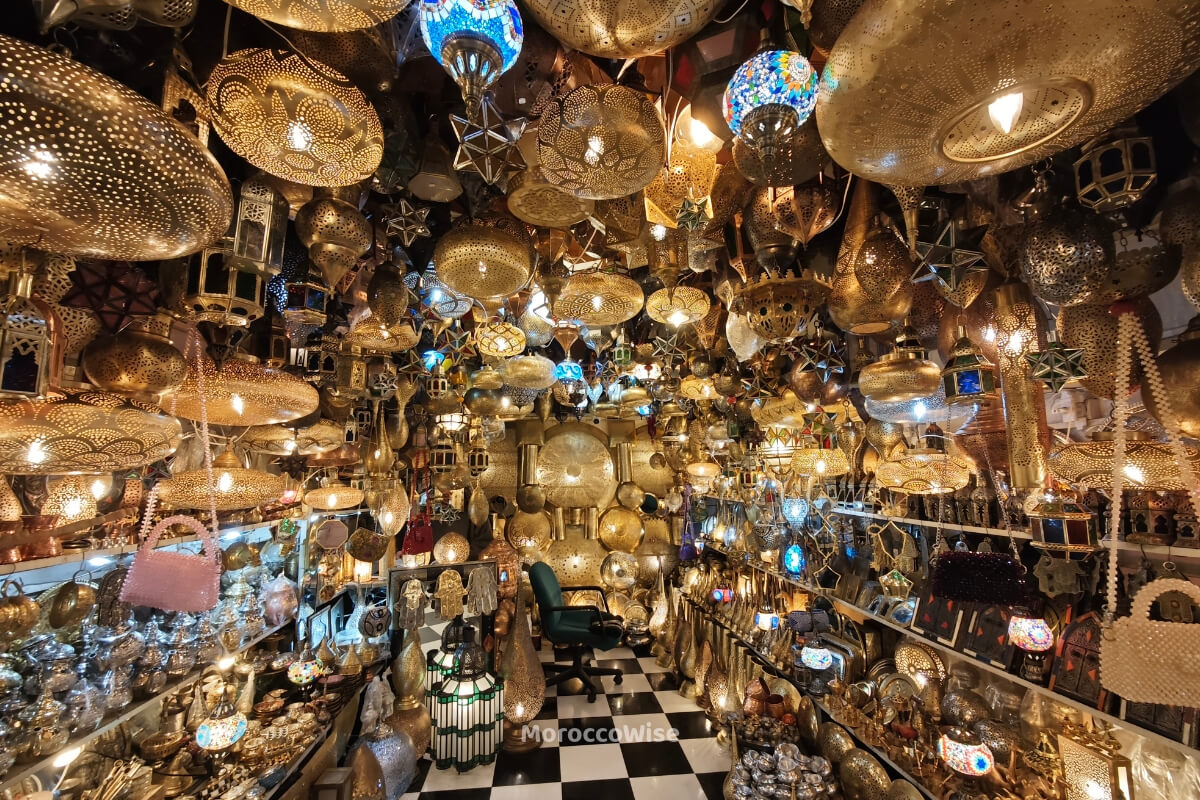
Spice stalls display bright mounds of cumin, paprika, ginger, saffron, and blends such as ras el hanout. Ask what is in a blend and how it is typically used, especially if you have dietary restrictions. Buy spices from a clean, well-sealed package if you plan to take them home, and check your destination's customs rules for food products. Lanterns range from small decorative pieces to elaborate metalwork; inspect edges and fittings, and think about how you will pack a fragile item for the journey.
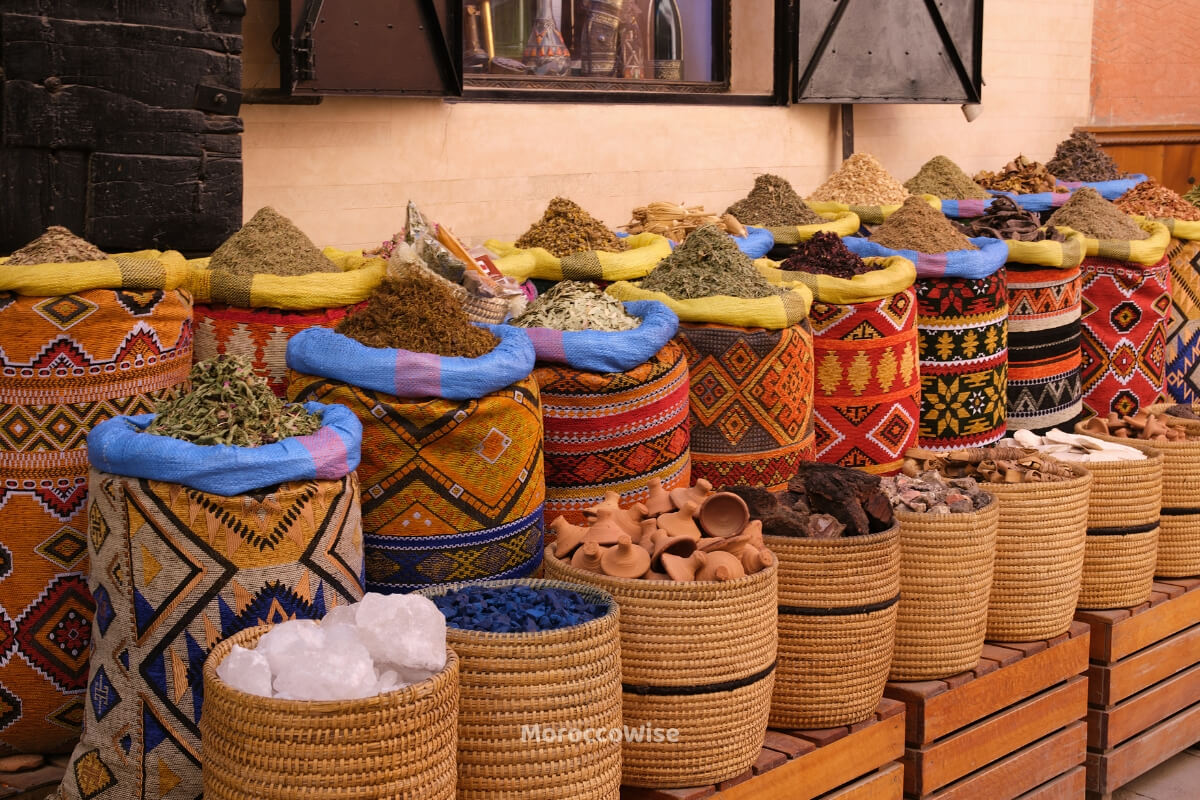
You will also see woven textiles, rugs, ceramics, carved wood, brassware, and baskets. Quality and production methods vary. Ask whether an object is handmade, where it was made, and which materials it contains. A seller may not know every technical detail, so use specific questions and take time to compare before deciding.
Bargaining with confidence and respect
Bargaining is part of many souk purchases, but it works best as a friendly conversation rather than a contest. First decide whether you genuinely want the item. Ask the price, consider what you are comfortable paying, and make a reasonable counteroffer. If the seller declines, you can make another offer or thank them and leave. Do not begin a negotiation unless you are prepared to buy at a price you offer and the seller accepts.
Keep your tone warm and be clear about the currency and whether the quoted amount includes delivery or other services. Comparing similar items at a few stalls can help you understand the range, but avoid pretending to accept a deal just to restart the negotiation elsewhere. If you agree, honor the agreement. A polite no is enough if you do not want to shop, and you do not need to explain your decision.
Buy thoughtfully and take your time
Look for work that reflects a craft you value rather than buying only because a price seems low. Ask permission before handling delicate items, and check for damage before paying. For jewelry, textiles, or antiques, ask for clear information about materials and provenance; avoid claims you cannot verify. If a piece is important or expensive, get the terms in writing and understand the return or shipping policy.
Carry smaller bills, keep valuables secure, and take a break if you feel overwhelmed. Prices and customs differ from shop to shop, so patience is more useful than rushing toward a supposed bargain. If someone offers to lead you to a specific shop, ask whether there is a fee or commission and feel free to decline.
Bring a little of the medina home
The most memorable purchase is often the one you understand: a lantern whose pattern you noticed being cut, a woven piece you took time to compare, or a spice blend whose ingredients you learned. Ask artisans about their process, pay fairly for skilled work, and keep practicalities in mind, from baggage weight to customs restrictions. The souks are full of beautiful things, but the conversations and craft knowledge are part of the experience too.
Navigate slowly, greet shopkeepers, bargain only when you mean to, and give yourself permission to walk away. With that approach, the souks become less intimidating and more rewarding: not just a place to shop, but a window into the skills and commerce that continue to shape Marrakech's medina.