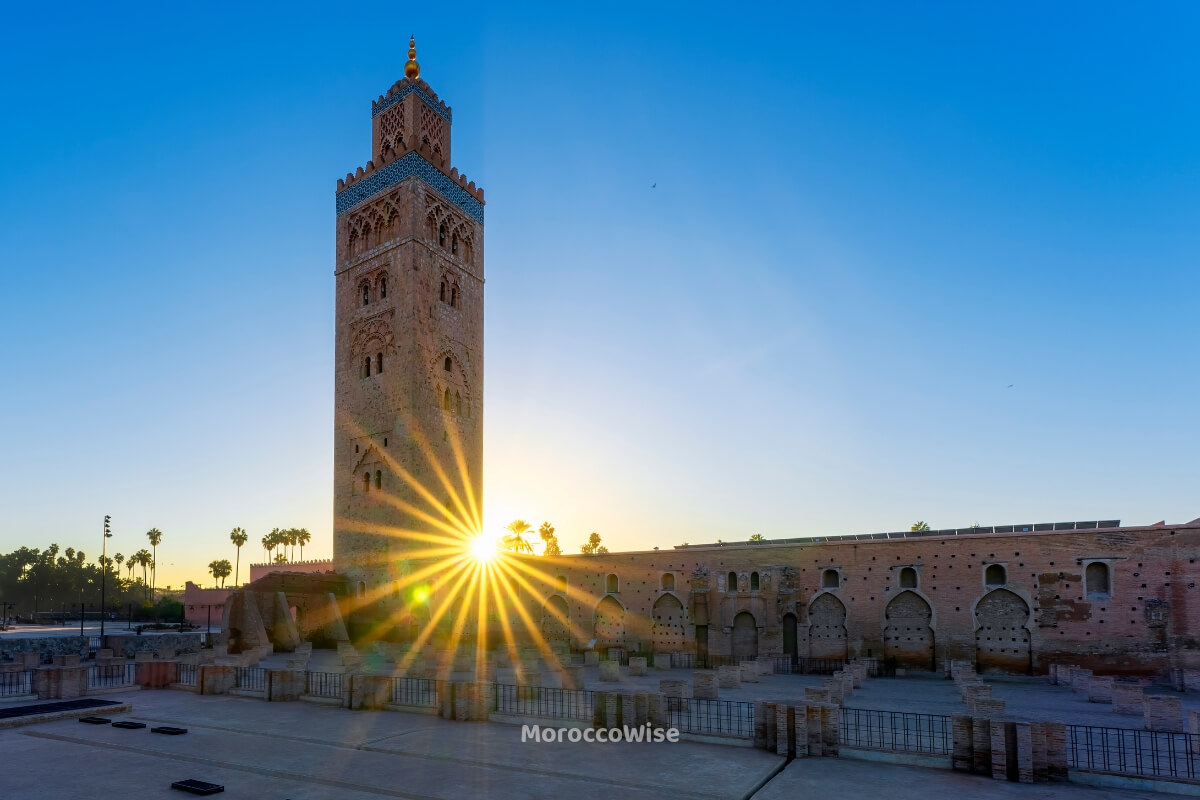
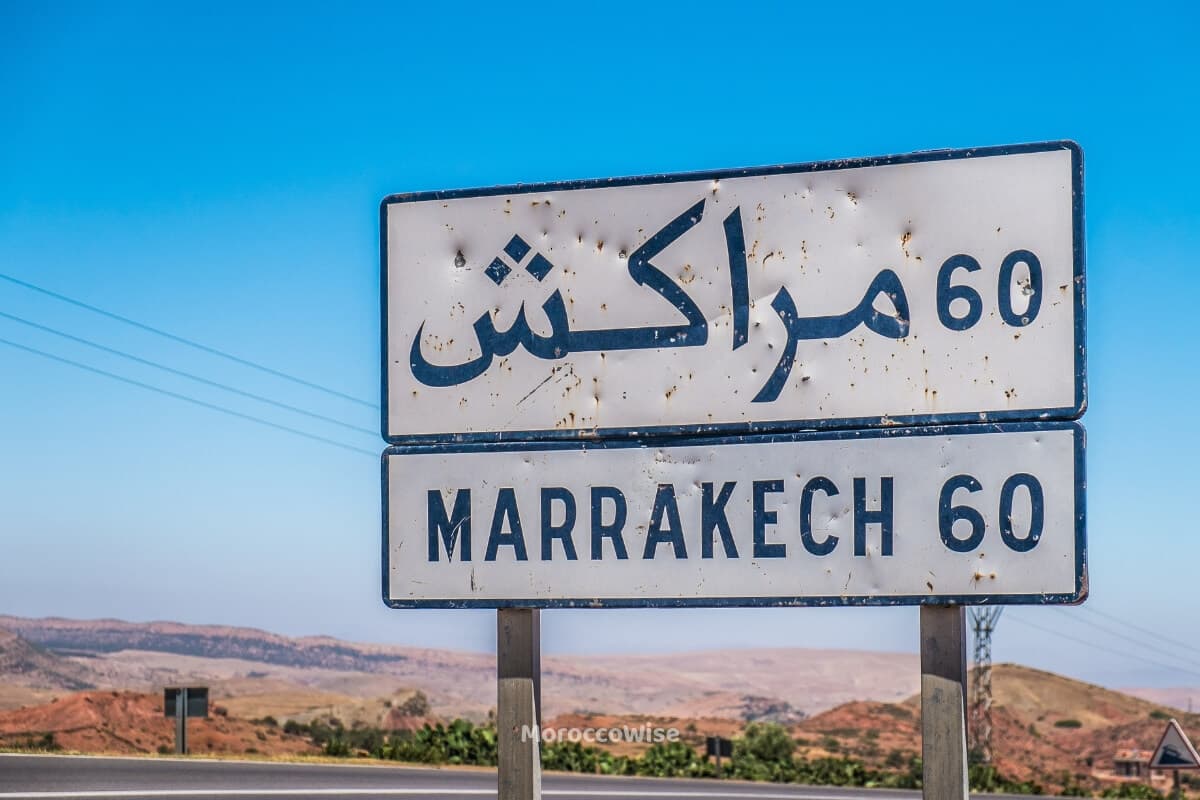
Marrakech is often called the Red City for the warm, earth-colored walls that shape its skyline. But its character is more than a color or a collection of monuments. Founded in the 11th century, Marrakech grew into a political capital, a crossroads of trans-Saharan trade, and a place where Amazigh, Arab, Andalusian, and African influences met. Today, the old medina remains a living neighborhood alongside broad modern avenues, galleries, gardens, and cafes.
How Marrakech began
The Almoravids established Marrakech around 1070-1071, traditionally associated with Abu Bakr ibn Umar and the leadership of Yusuf ibn Tashfin. Its position between the Atlas Mountains, the Atlantic plains, and routes leading south across the Sahara made it an important center of power and exchange. Under Almoravid rule, the settlement expanded from a military and political foundation into a capital with gardens, waterworks, mosques, and markets.
Later dynasties left their own marks. The Almohads captured the city in the 12th century and reshaped its religious and civic architecture. Saadian rulers made Marrakech a capital again in the 16th century, commissioning some of its best-known monuments. The city later changed hands and fortunes, but it never lost its importance as a regional center. That layered past is visible not in one single style, but in the way older structures sit beside additions from different eras.
Why the walls are red
The medina's distinctive hue comes from the local earth and clay used in traditional building materials. The ramparts, built and extended over centuries, wrap around the historic center for roughly 19 kilometers. Their color shifts with the day: soft rose at sunrise, ochre in strong afternoon light, and deep terracotta near sunset. Several monumental gates, including Bab Agnaou, connect the old city to the neighborhoods beyond its walls.
These walls have always been more than a photogenic backdrop. They define a historic urban landscape of narrow lanes, courtyards, workshops, riads, and public squares. The medina of Marrakech was recognized as a UNESCO World Heritage Site in 1985. Its heritage is not frozen in time: families live here, merchants open their stalls each morning, and craftspeople continue work in spaces shaped by generations before them.
A city of courtyards, craft, and public life
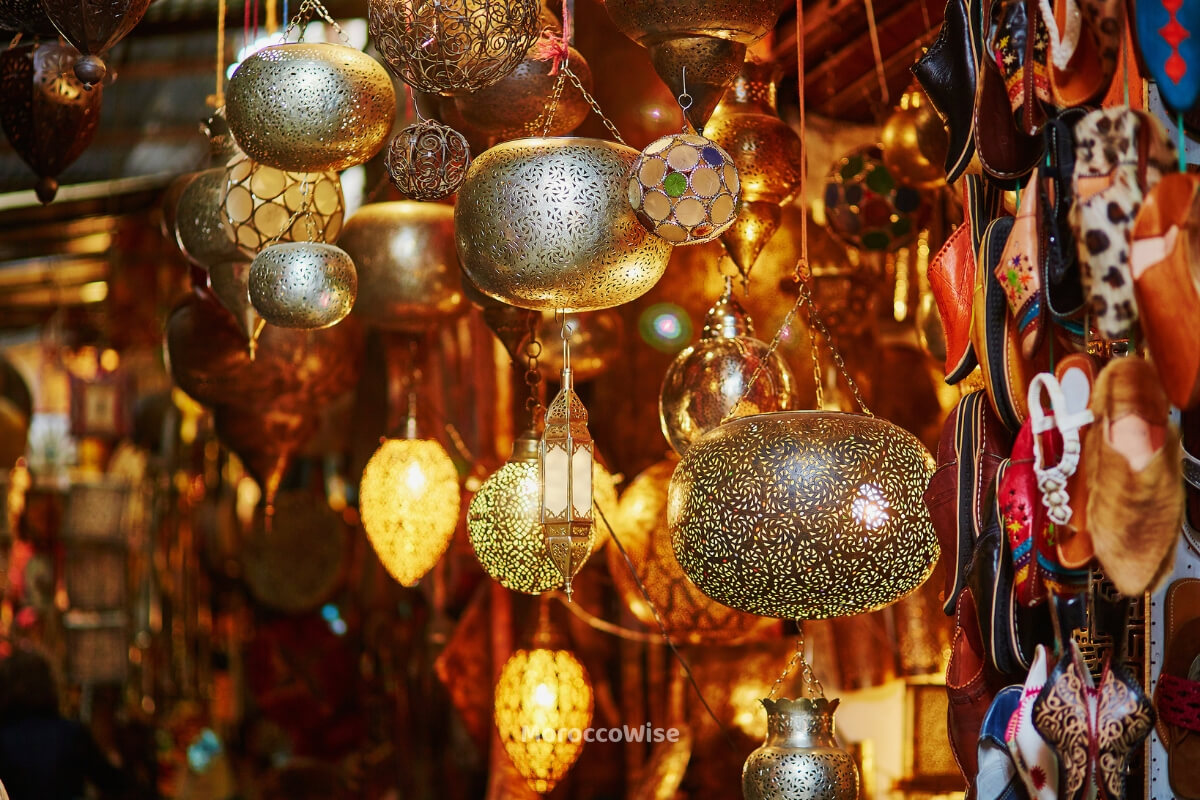
In the old city, a plain doorway may open onto a riad centered on a shaded courtyard. This inward-facing design offers privacy and relief from the heat, while carved cedar, zellij tilework, and plasterwork reveal the skill invested in everyday spaces. Nearby, the souks are organized around trades and materials: leather, woven goods, metalwork, wood, spices, and more. Take time to notice how objects are made, and ask before photographing artisans or their work.
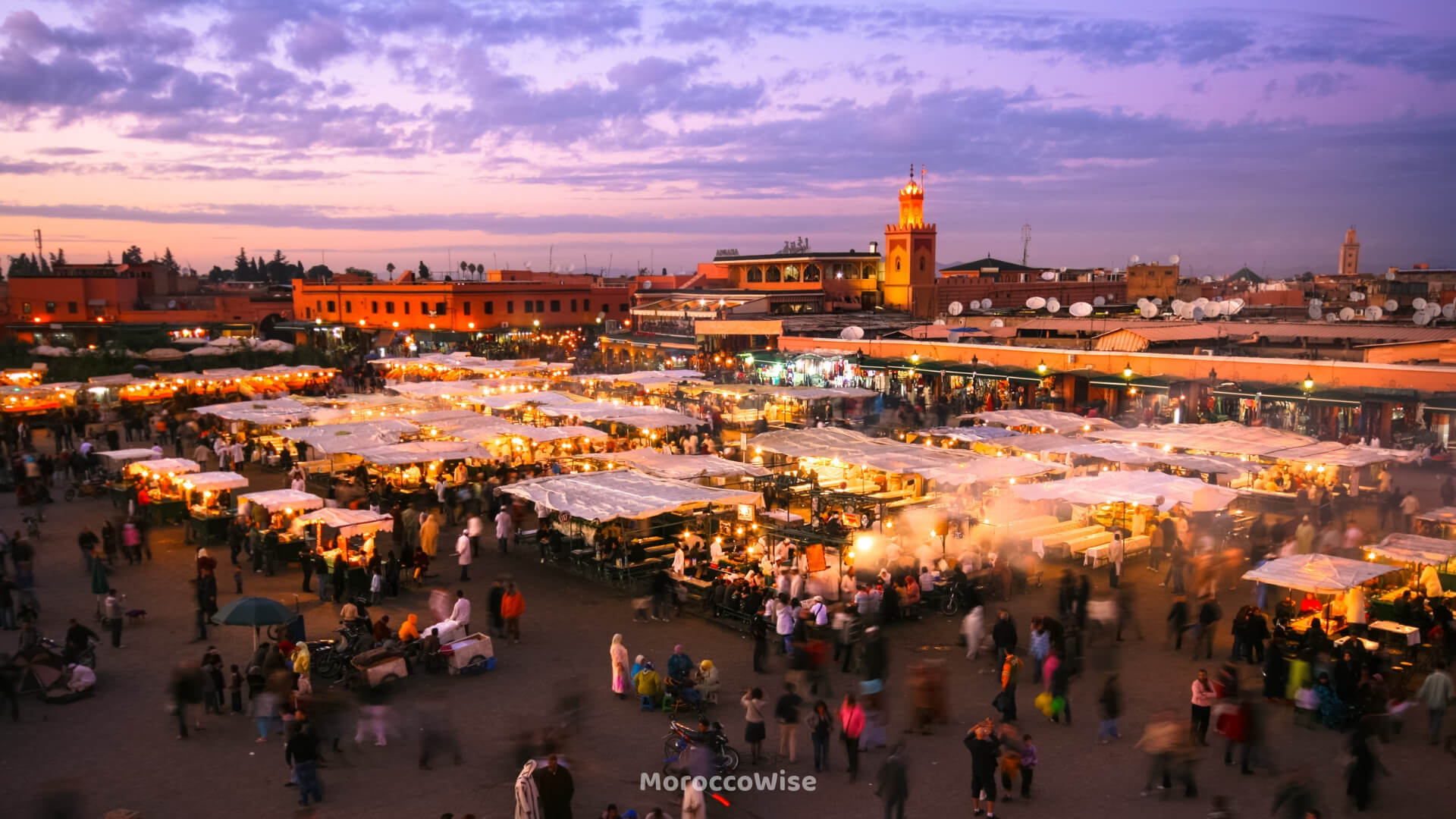
Jemaa el-Fnaa is one of Marrakech's most recognizable gathering places. Its rhythms change through the day, from juice vendors and passersby to musicians, food stalls, and storytellers after dusk. The square and its cultural space were inscribed by UNESCO on the Representative List of the Intangible Cultural Heritage of Humanity in 2008. For a thoughtful visit, watch from the edge before joining in, ask permission before taking close-up photographs, and confirm prices before ordering or accepting a service.
Ancient roots and a modern rhythm
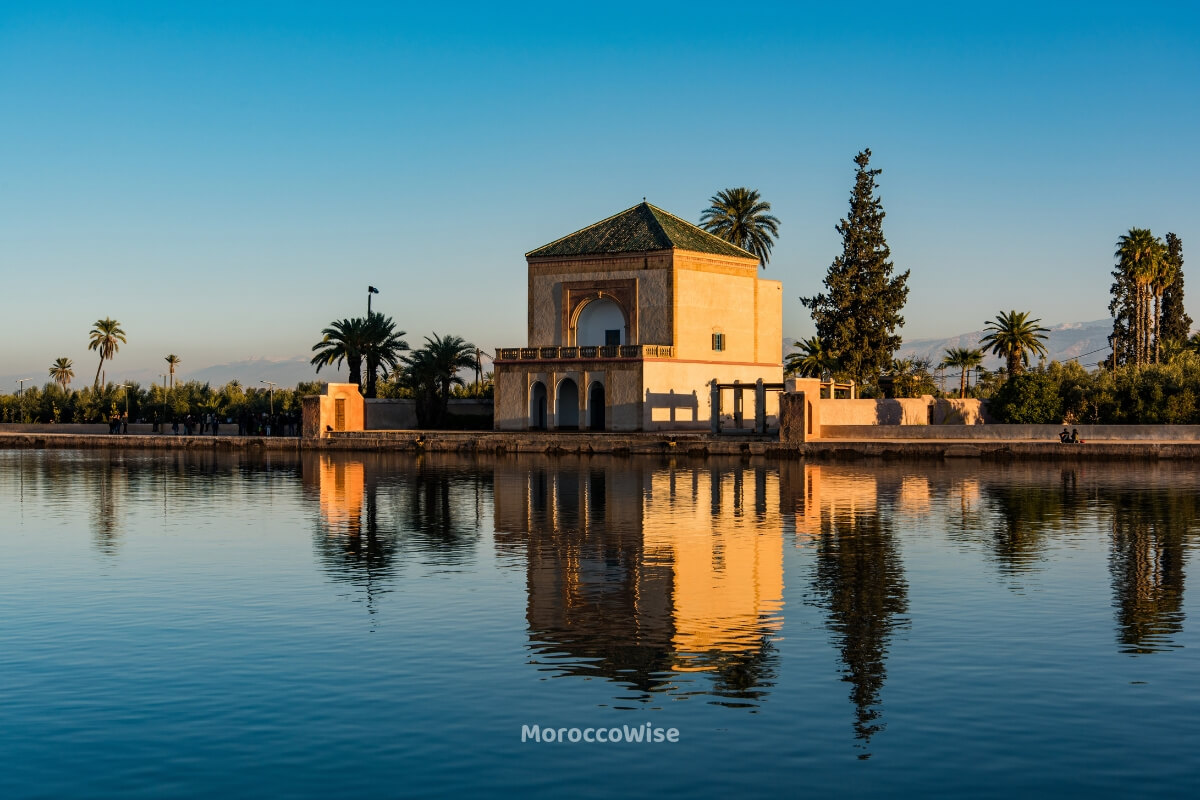
Marrakech is also a contemporary city. In Gueliz and Hivernage, wide boulevards, design shops, restaurants, and newer hotels offer a different pace from the medina. Local residents commute between the old and new districts, and the city's creative life draws on both international influences and Moroccan traditions. Gardens such as Majorelle and Menara provide a slower counterpoint to busy streets, while contemporary galleries and cultural venues show that the city's story is still being written.
How to experience the city's heritage respectfully
Give the medina time rather than trying to cover it all in one visit. Choose a few landmarks, leave space for a quiet courtyard or a cup of mint tea, and use a trusted map or ask your accommodation for directions when navigating unfamiliar lanes. Wear comfortable shoes, dress with the setting in mind, and treat workshops and residential streets as places where people live and work. A greeting, a question before a photograph, and patient bargaining make everyday interactions more welcoming.
Marrakech's enduring appeal comes from the way its history remains part of ordinary life. Its red ramparts hold a city that is at once old and changing: a former imperial capital, a center of craft and storytelling, and a modern Moroccan metropolis. Look beyond the famous skyline and the layers become clear, one gate, courtyard, garden, and neighborhood at a time.