
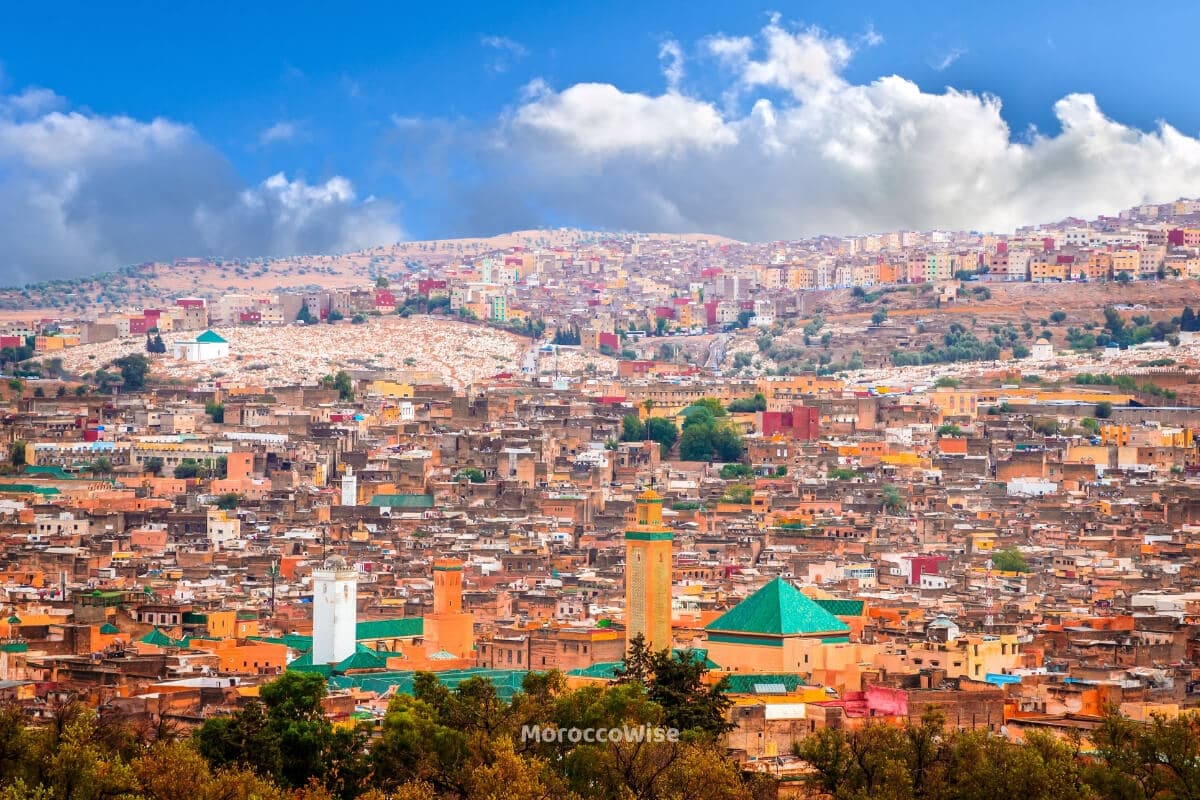
Fes el-Bali is the oldest walled quarter of Fes and one of Morocco's most remarkable historic urban landscapes. Founded in the late 8th century, the city grew into a center of scholarship, faith, trade, and craftsmanship. Its dense lanes can feel like a labyrinth, but they are not a museum set: residents live here, ovens and workshops open each day, and the call to prayer still marks the rhythm of the neighborhood.
How Fes became a center of learning
Idris I established a settlement on the right bank of the Fes River around 789, and his son Idris II developed the city on the opposite bank in the early 9th century. Communities arriving from places including al-Andalus and the Ifriqiya region helped shape its early growth. The city became a meeting point for people, ideas, and commerce, with its location connecting routes across northern Morocco and beyond.
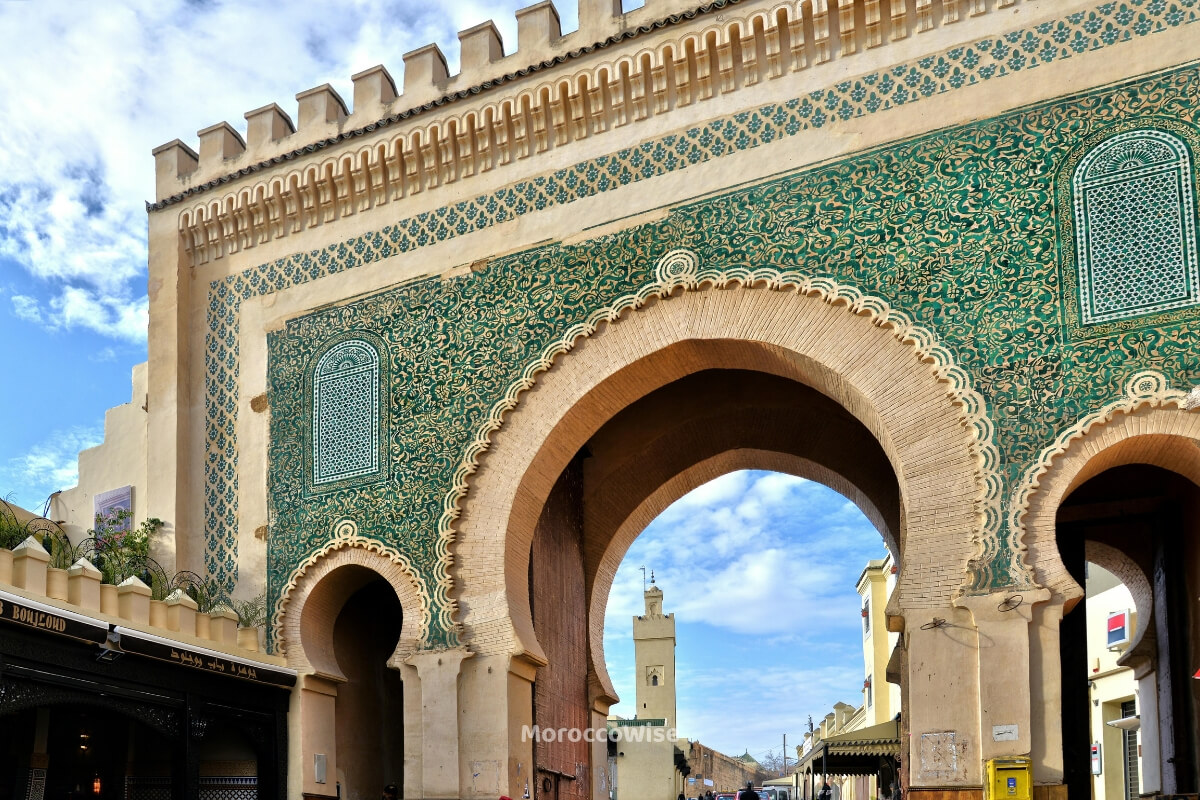
Over time, Fes attracted scholars, artisans, and merchants. Its educational institutions and religious foundations became central to urban life, while successive dynasties added mosques, madrasas, gates, and civic buildings. The result is a historic fabric built over many centuries, not a single preserved period. Looking closely at the medina reveals changes in materials, decoration, and urban design from one lane to the next.
A medina shaped by its lanes
Fes el-Bali is renowned for its compact, intricate street network. Many lanes are pedestrian passages too narrow for cars, and some are shared with handcarts and pack animals carrying goods. The route can turn unexpectedly, but the layout follows the needs of a living city: homes open onto neighborhood alleys, workshops cluster by trade, and small markets and bakeries serve nearby residents.
Rather than trying to cross the entire medina in a single outing, choose a few landmarks and allow time to pause. Save the location of your accommodation offline, agree on a meeting point if traveling with others, and ask your host for a clear route. A licensed local guide can provide context and help with navigation; confirm the duration, itinerary, and fee in advance.
Architecture, courtyards, and sacred spaces
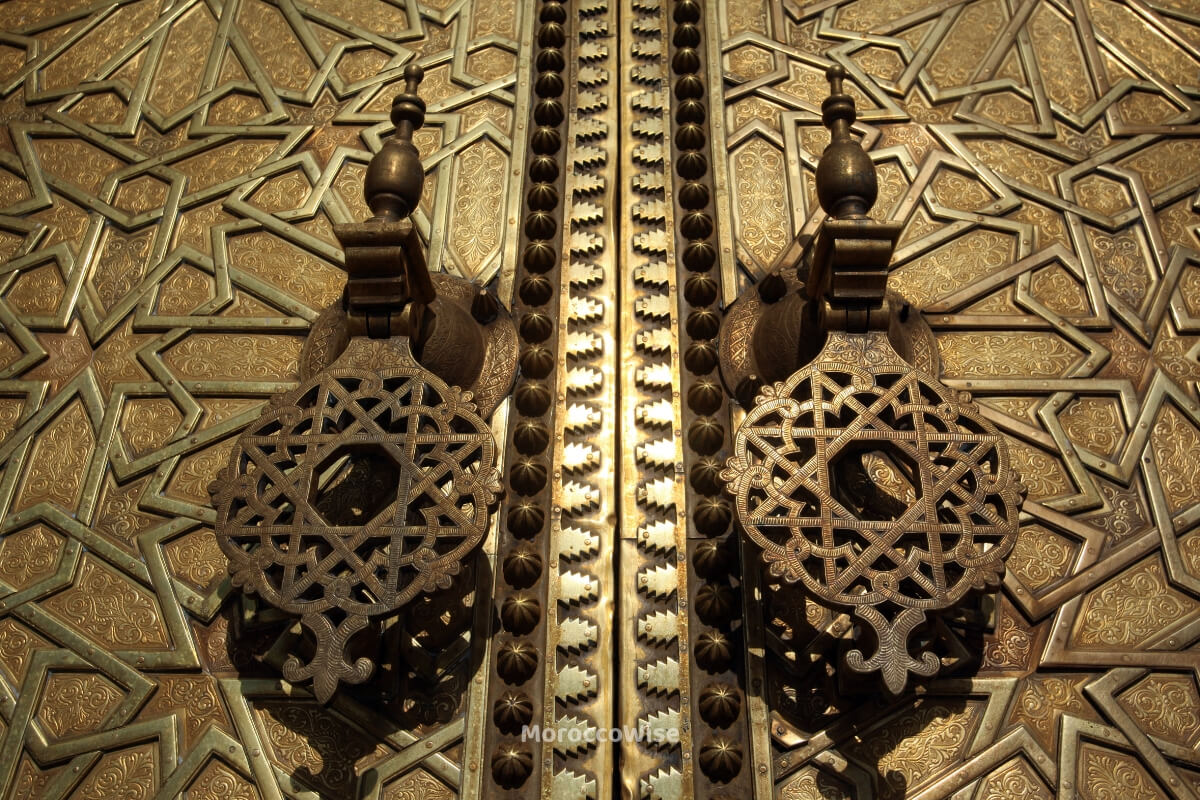
The medina's architecture reflects both public and private life. Carved cedar, geometric zellij tilework, and sculpted plaster decorate madrasas, fountains, and historic homes. Traditional houses often turn inward to a courtyard, creating privacy and a sheltered place for family life. At a funduq, a historic inn for merchants, a central courtyard once supported the storage and exchange of goods.
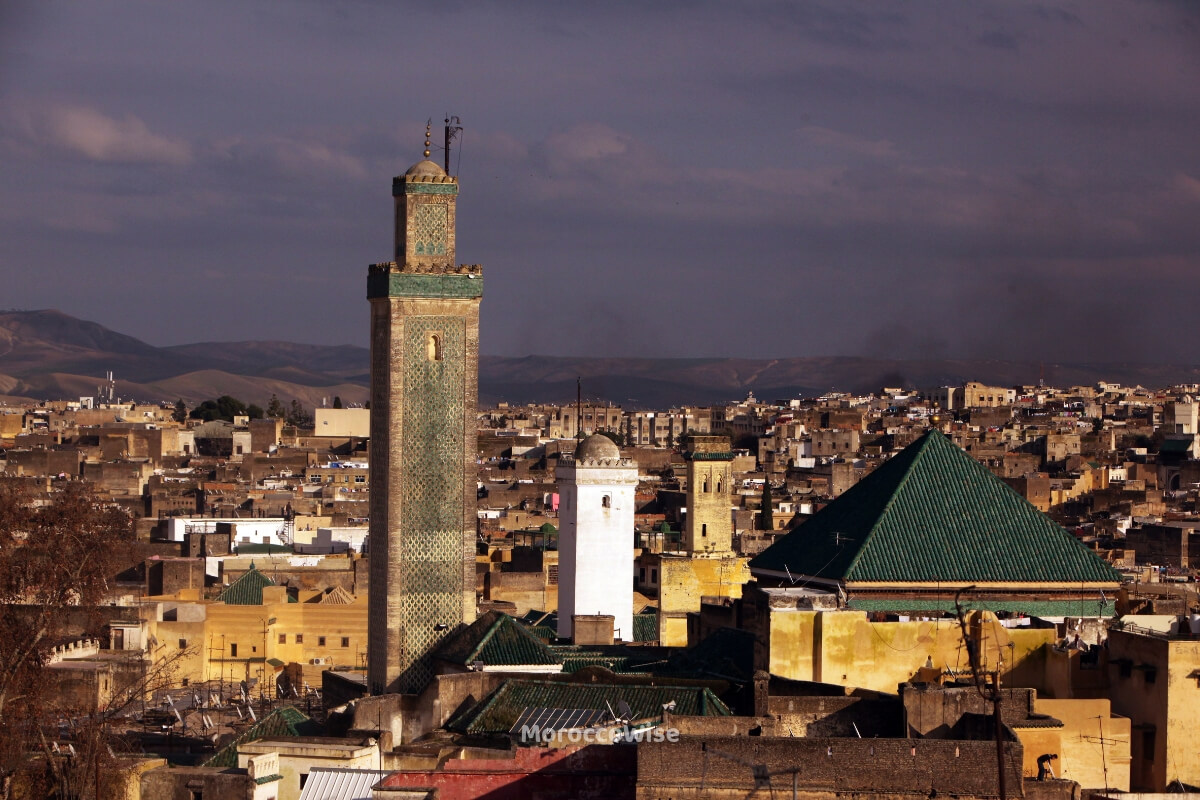
Fes is also a major spiritual center. The Qarawiyyin Mosque and University, the Andalusian Mosque, and neighborhood mosques are important parts of the city's religious landscape. Many mosques in Morocco are not open to non-Muslim visitors. Appreciate their exteriors from public places, respect signs and barriers, and avoid photographing worshippers or looking into private prayer spaces.
Craft traditions that remain part of daily life
Craft is woven into the medina's economy and identity. Metalworkers, weavers, woodworkers, potters, and leather artisans carry on specialized practices, often in family workshops. The sounds of hammering and looms are part of an ordinary working day. If you visit a workshop, ask before taking photographs, avoid blocking the work area, and do not assume that a demonstration is free or that you must make a purchase.
Markets are active places, not just attractions. Greet shopkeepers, ask prices clearly, and bargain only when you genuinely want to buy. Take time to compare materials and workmanship, and ask how an item was made. A thoughtful question can reveal more about a craft than a quick photograph.
Exploring Fes el-Bali with care
Wear shoes with good grip for uneven stone lanes and carry water, especially in warm weather. Step aside for carts and animals, keep doorways clear, and be prepared for map apps to struggle with the narrow passages. A simple printed map or a few landmarks can help you reorient, but there is no need to see every alley.
Fes el-Bali's greatest distinction is that its heritage is still lived. Historic monuments matter, but so do the routines of buying bread, opening a workshop, and greeting a neighbor. Visit patiently, respect the people who call the medina home, and let its layers of architecture and daily life come into focus at a human pace.