
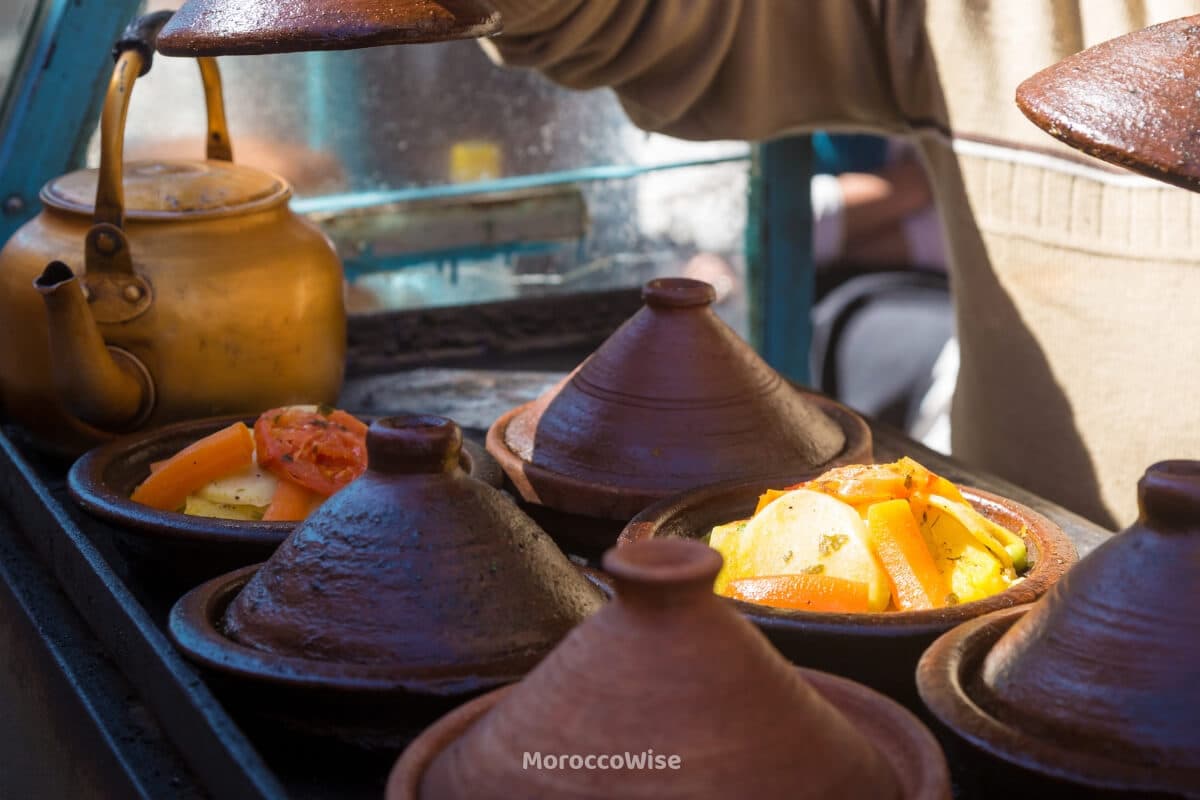
Some of my favorite meals in Morocco have been eaten standing beside a busy counter, with hot sfenj in a paper bag and a little sugar on my fingers. Street food is delicious, affordable, and deeply connected to daily life, but a good food adventure starts with paying attention. Ingredients, preparation, and water safety matter more than finding a stall with the most dramatic reputation. No choice can guarantee you will not get sick, but a few simple habits make it easier to enjoy the food and reduce avoidable risk.
What to try: from sfenj to snails
Sfenj are airy Moroccan doughnuts, fried until golden and often eaten warm for breakfast or as a snack. They are at their best soon after frying, so look for a baker turning out fresh batches rather than a tray that has been sitting for hours. Maakouda are potato fritters, sometimes served in bread with sauce or vegetables. They are a satisfying snack in northern cities and market neighborhoods; ask whether they are made fresh and choose one that is hot through the middle.
In some medinas and squares, you will see steaming bowls of snail soup, seasoned with a fragrant blend of spices. Vendors serve the snails with broth, often using a small pick to remove them from their shells. If you are curious, watch how the stall handles serving spoons and bowls, and choose a place with brisk turnover and a clean-looking setup. The broth is usually intensely aromatic, so take a small portion first if you are unfamiliar with the flavor or spice. You can also find grilled sardines in coastal towns, boiled broad beans, roasted nuts, fresh bread, and seasonal fruit.
Not every street snack is right for every appetite. Ask about ingredients if you have an allergy or dietary restriction, and be aware that shared cooking surfaces can create cross-contact. If you cannot communicate a serious allergy clearly, choose a place where staff can understand your needs or eat somewhere that can discuss ingredients in detail. Carry any prescribed emergency medication and follow your clinician’s advice.
How to choose a stall with confidence
A queue of local customers is a useful sign because turnover is often high, but it is not a guarantee of safe handling. Look for food cooked thoroughly and served hot, clean utensils, and an orderly workspace. Notice whether raw and cooked ingredients are kept separate, whether the person handling money also touches ready-to-eat food, and how dishes are protected from dust and insects. A compact stall may have limited facilities, so use your judgment rather than expecting restaurant conditions.
Choose food prepared to order when possible. Watch for ingredients that are replenished frequently and dishes that are kept at a safe temperature. Avoid meat or seafood that has been sitting lukewarm, and be cautious with raw salads if you are unsure how they were washed. Fruit you peel yourself is a simple option. If a vendor’s setup makes you uncomfortable, smile, thank them, and move on; there will be another meal around the corner. When in doubt, I choose freshly cooked food from a busy counter over a dish that has been uncovered for an unknown length of time.
Water, ice, and staying hydrated
Water conditions differ between places and travelers. Many urban areas have treated municipal water, but travelers may be more sensitive to unfamiliar water or local handling. Follow current local and medical guidance, and if you are uncertain, choose sealed bottled water or water treated with a method you trust. Check that a bottle’s seal is intact when you buy it. If you use a reusable bottle, refill it from a safe source rather than assuming every tap is suitable for your needs.
Ice is commonly made from treated water in established hotels and restaurants, but you cannot always know its source at a small stand. If your stomach is sensitive or you are unsure, ask for drinks without ice. Fresh juice is tempting in a hot square; watch whether the fruit is washed and cut in front of you, and whether the equipment is kept clean. A sealed drink is the simplest choice when you want to avoid uncertainty. Hydration matters, particularly in summer, but do not let fear stop you from eating; make a choice you are comfortable with and keep drinking safe fluids regularly.
Preventing traveler’s stomach trouble
Wash your hands before eating, or use hand sanitizer when soap and water are not available. This is easy to forget when you are browsing a souk and suddenly spot a fresh snack. Carry tissues and sanitizer in a small day bag. Eat moderate portions at first if you are adjusting to unfamiliar spices, rich oils, or a different meal schedule. A gradual approach can help you distinguish a food you enjoy from one that does not suit you.
Travelers sometimes blame one dramatic meal when the cause may be heat, dehydration, several new foods, or hand-to-mouth contact during a long day. Drink water regularly, rest in the shade, and avoid overloading a hot afternoon with multiple heavy dishes. Keep any oral rehydration salts or medication that your clinician recommends, especially if you have a sensitive stomach or are traveling with children. Seek medical advice for severe or persistent symptoms, high fever, blood in stool, signs of dehydration, or if you are concerned about a vulnerable traveler. Travel insurance can help you locate appropriate care.
A low-stress street-food routine
- Start with something hot and freshly cooked: Sfenj, maakouda, or grilled food from a busy stall is easy to assess as it is prepared.
- Use safe water: Choose sealed or reliably treated water if you are unsure about the local source; skip ice when uncertain.
- Keep hands clean: Wash or sanitize before eating, especially after handling cash, railings, or a phone.
- Take your time: Try smaller portions, notice how you feel, and choose a different stall if hygiene or handling worries you.
Food is also a way into Morocco’s regional geography. Along the Atlantic, seafood is a natural choice; inland markets may offer breads, olives, soups, and seasonal produce; in the north and larger cities you will find local specialties shaped by long histories of exchange. At Ramadan, food stalls and evening meals follow a different rhythm, with harira and sweets especially visible after sunset. Ask what is fresh today rather than expecting the same menu everywhere.
The best street-food memories come from balancing curiosity with common sense. Follow the steam from a fresh fryer, try a warm maakouda or a bowl of snails if it appeals, and choose a stall whose pace and handling look good to you. Drink safely, clean your hands, and give your body time to adjust. You do not need to eat everything in one day; Morocco’s food scene will still be there tomorrow.