
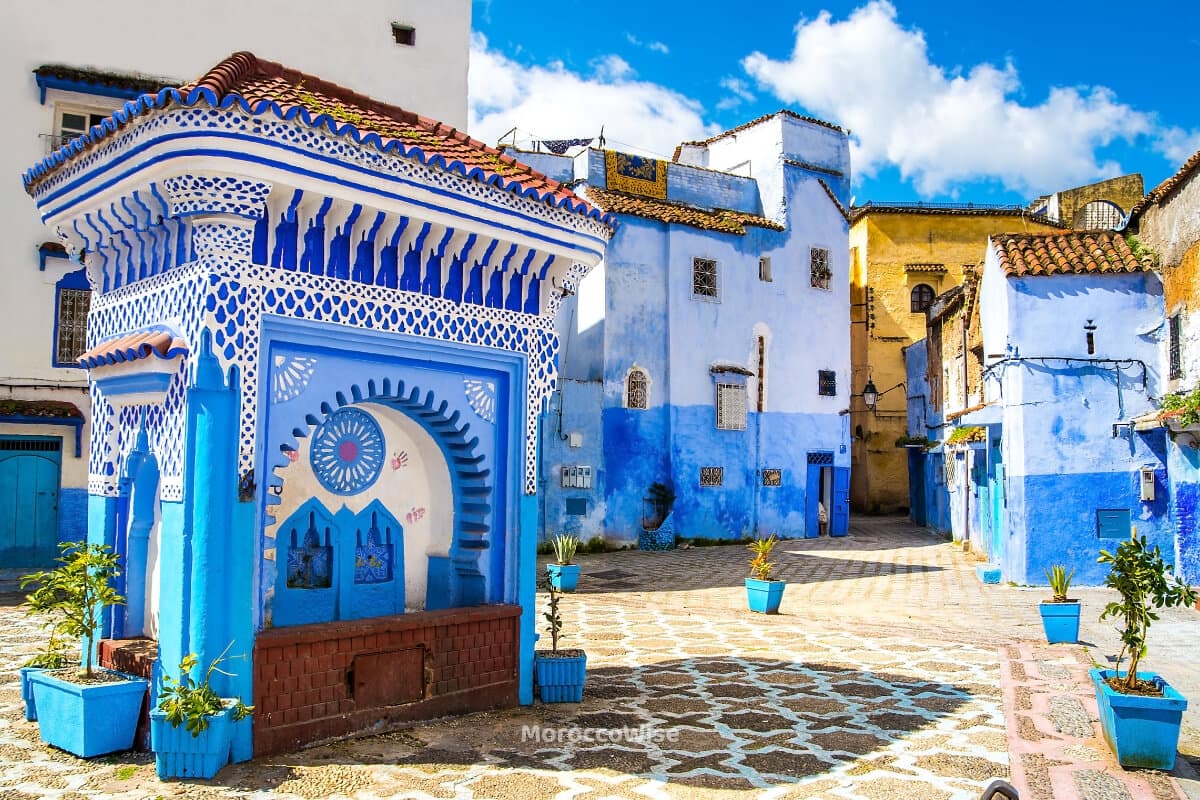
Chefchaouen is exceptionally photogenic, but the images that best capture it often come from patience rather than a hurried search for the brightest blue wall. The medina is a residential neighborhood of staircases, doorways, shops, and courtyards. Plan around the light, look for details as well as wide views, and remember that the most important part of respectful photography is asking before you make someone part of a frame.
Start early for soft light and quieter lanes
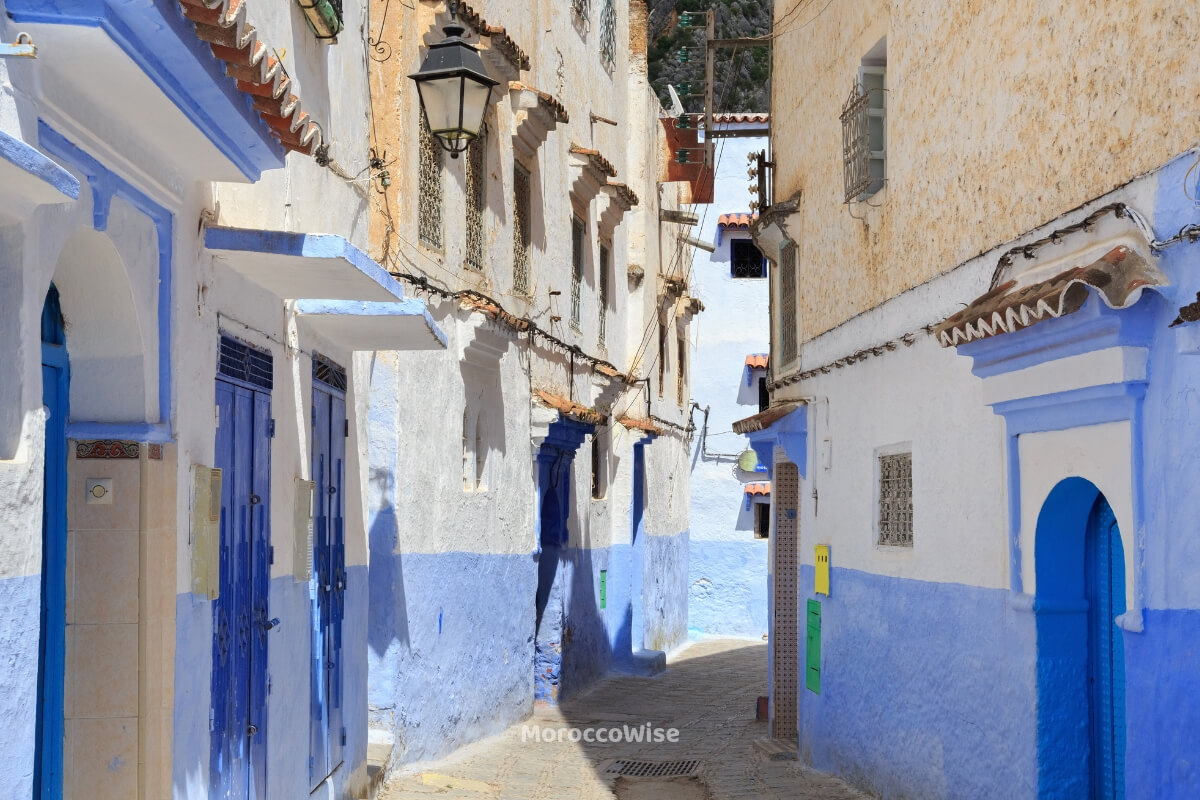
Morning is often the easiest time to photograph the medina. The light is softer, temperatures are more comfortable, and popular lanes may be less crowded before the day-trippers arrive. Shade can preserve detail in blue walls, while low-angle sun picks out texture on steps, arches, and painted doors. Overcast conditions can also be useful, creating even light without strong shadows.
Keep your schedule flexible. A lane may be quiet one day and busy the next, and the color of the walls changes with weather and exposure. Rather than waiting in a doorway for an empty scene, move to another street and return later. A compact camera or phone is often easier to use in narrow passages than bulky gear.
Look beyond the famous blue walls
Explore around Outa el Hammam, then follow side lanes uphill or toward the medina's quieter edges. Blue stairs, white trim, flowerpots, woven baskets, and mountain views provide natural details to build a varied set of images. Look for compositions that show scale, such as a passage opening onto a rooftop view, rather than making every frame a close-up of a painted wall.
Ras el Ma offers the sound and movement of water, while the trail to the Spanish Mosque gives a broad perspective over the town. For mountain scenery, allow time for weather and changing light. Do not trespass on rooftops or enter private courtyards to get a photograph; public lanes and approved viewpoints offer plenty of options.
Photograph people with permission
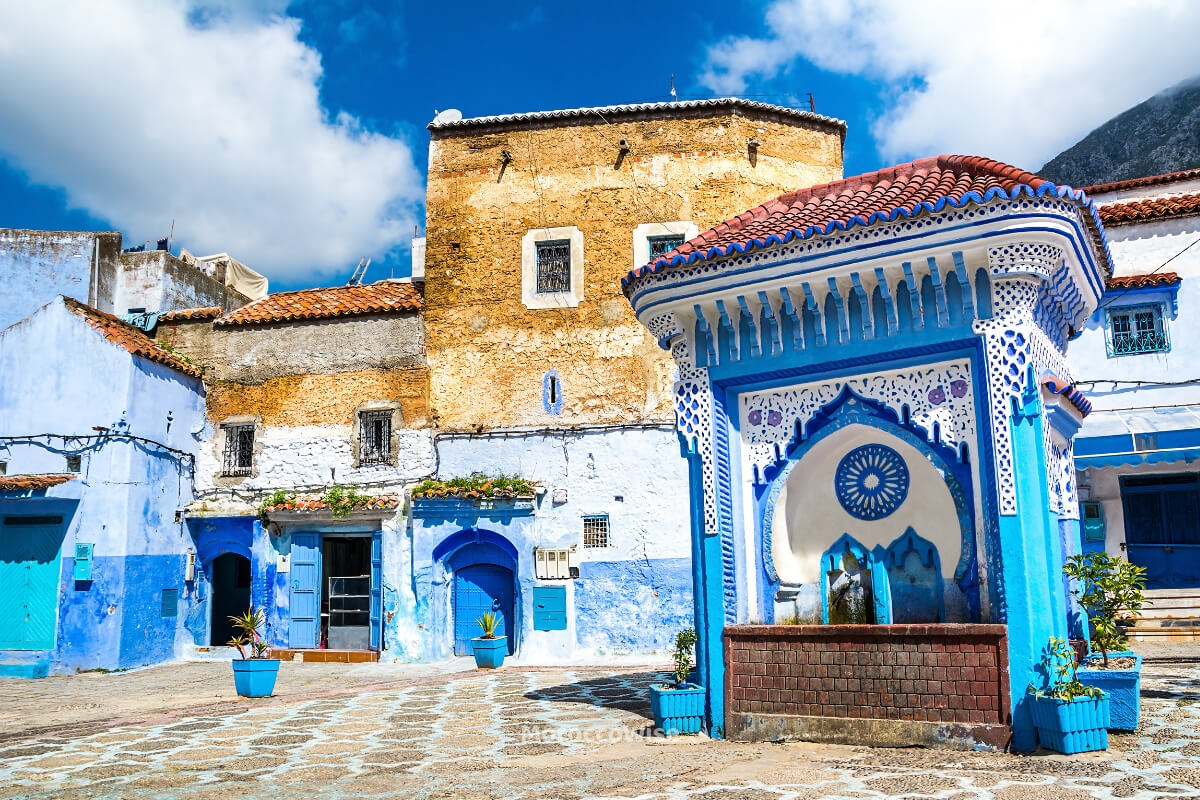
Always ask before taking a close photograph of a resident, artisan, shopkeeper, or child. A smile and a clear gesture toward the camera can help, but they are not a substitute for consent. If someone says no, respect the answer and move on. Avoid photographing people through windows, into homes, or while they are praying or working without permission.
Some performers or vendors may expect payment for posed photos. Agree on the amount before taking the picture, and do not assume that payment is appropriate if someone has declined to be photographed. Be especially considerate in busy doorways and narrow alleys; step aside so residents can pass and keep your equipment from blocking a shop or entrance.
Make stronger travel photographs
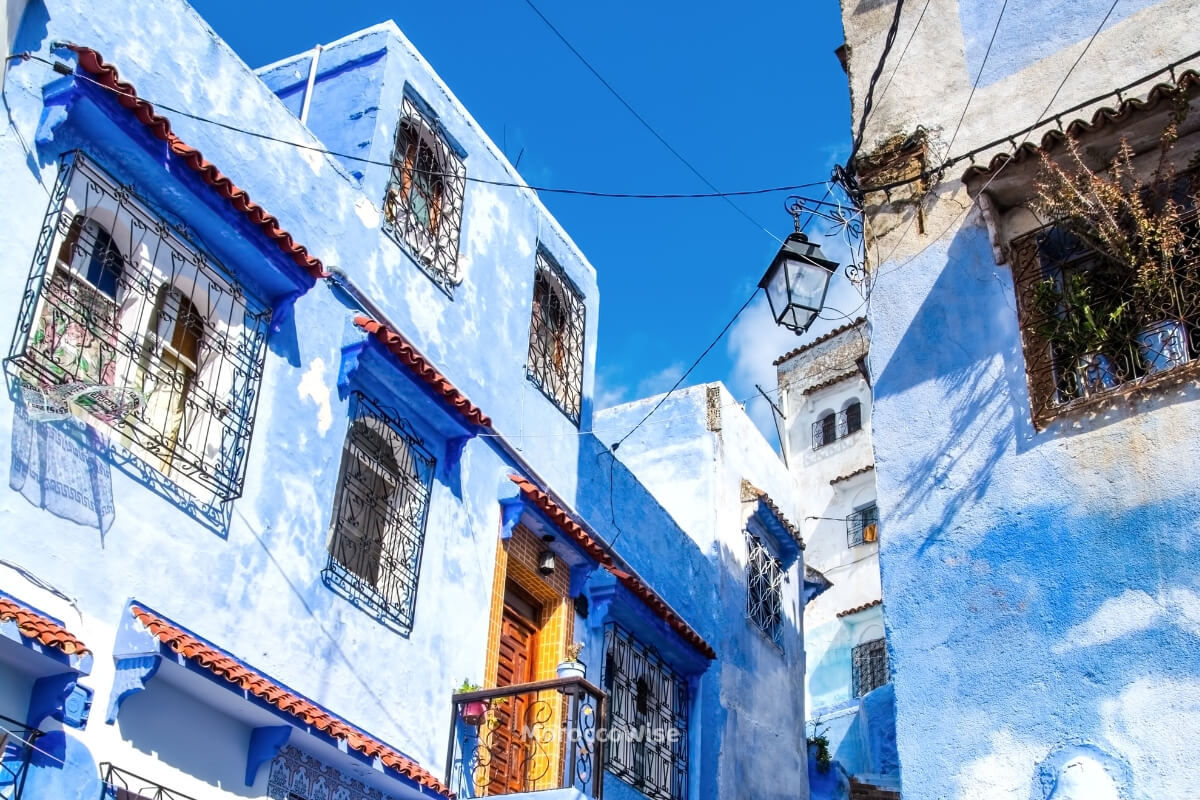
Pay attention to exposure: vivid blue walls can fool a phone camera into darkening faces or nearby details. Tap to set focus and exposure, and adjust brightness slightly if the image looks too dark. Use leading lines from steps and walls, and look for complementary colors in plants, wood, and textiles. A few carefully framed images can tell a richer story than dozens of near-identical shots.
Leave the place as you found it
Avoid moving flowerpots or props, entering closed spaces, or asking residents to pose in a way that disrupts their day. Do not use a drone without checking current local rules and permissions. Keep your voice low in residential areas and take a moment to enjoy the setting without looking through a screen.
The best photographs of Chefchaouen balance color with context. Visit early, watch the light shift, and make respectful choices about what and whom you photograph. The blue alleys are beautiful, but the town's character comes from the people and routines that make them home.