
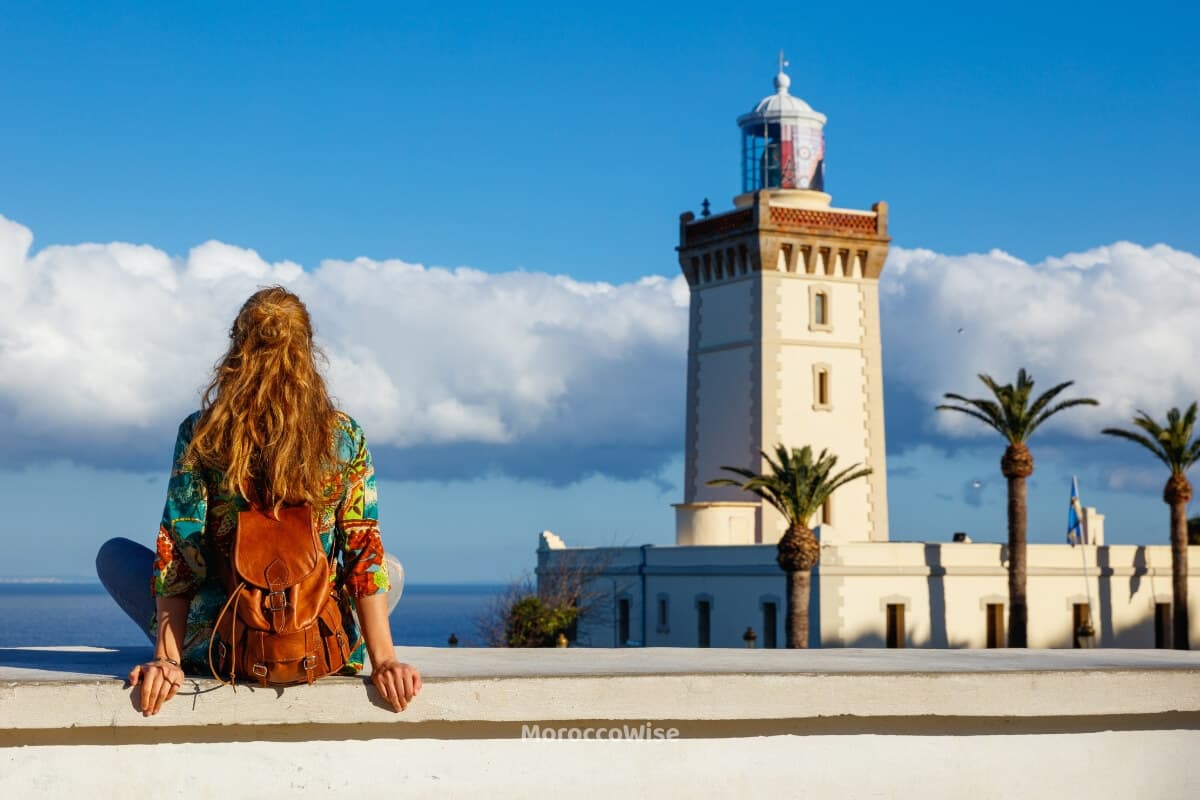
Cap Spartel is a striking headland about 12 kilometers west of Tangier, where the Atlantic coast curves toward the entrance to the Strait of Gibraltar. Its cliffs, open horizons, and historic lighthouse make it one of the most rewarding short trips from the city. The cape is often described as the point where the Atlantic Ocean and Mediterranean Sea meet. The exact boundary is a matter of geographic convention, but the change in coastlines and currents gives the place a powerful sense of transition between two great bodies of water.
A landmark on the Strait of Gibraltar
From Cap Spartel, the Strait narrows between northern Morocco and southern Spain, creating one of the world's most important maritime passages. Ships crossing between the Atlantic and Mediterranean pass through these waters, while the headland offers a clear perspective on why Tangier has been a strategic port for centuries. On a clear day, the northern shore may be visible across the water, although visibility depends on weather and haze.
Take a moment to look in both directions. The Atlantic side can feel broad and exposed, while the coastline toward the strait leads the eye toward Europe. Wind, cloud, and sea conditions change the view throughout the day, so a visit is as much about experiencing the elements as checking a landmark off your list.
The 19th-century lighthouse
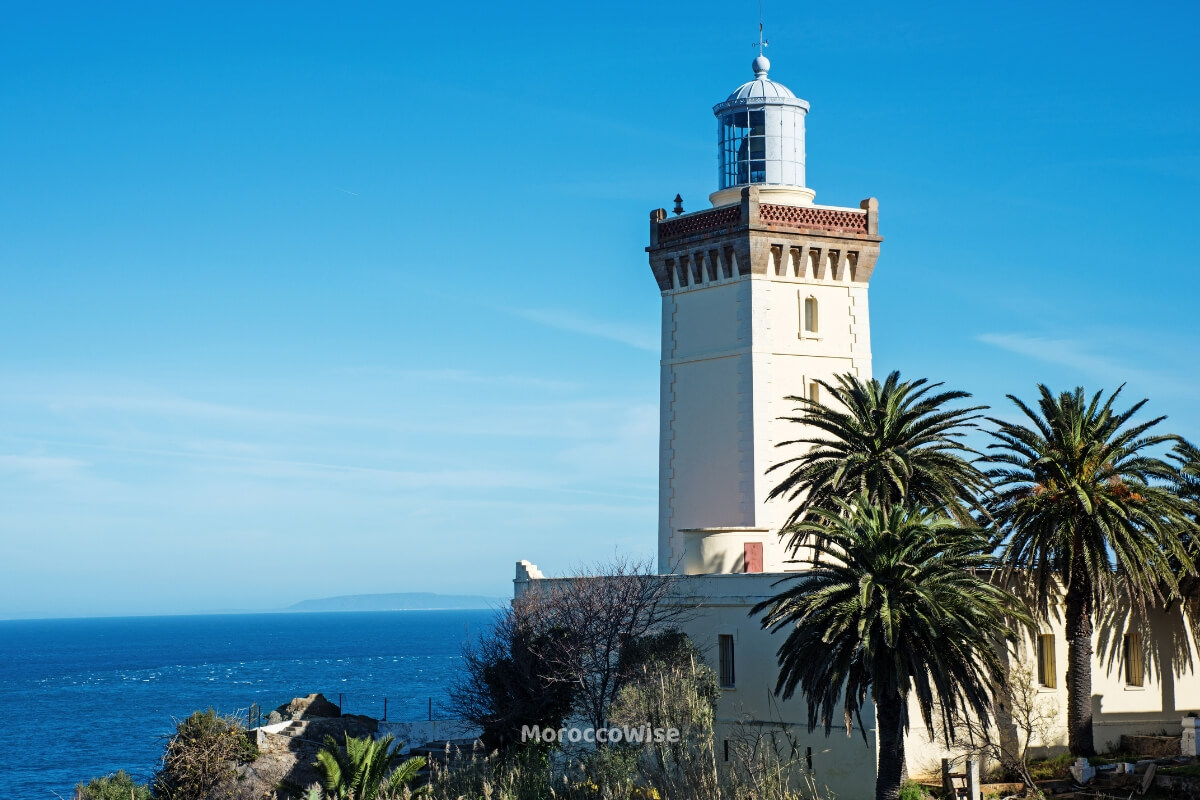
The lighthouse at Cap Spartel was inaugurated in 1864 and became a prominent aid to navigation at the entrance to the strait. Its presence reflects the importance of safer passage through waters used by international shipping. The lighthouse remains the cape's signature landmark, and its architecture stands out against the coastal setting.
Access inside or around the lighthouse can vary, so check current visitor information rather than assuming it is open for tours. Even when interior access is unavailable, the exterior and surrounding viewpoints make the trip worthwhile. Keep to marked areas, especially where cliffs drop toward the sea, and be mindful that strong gusts are common.
Coastal gardens and ocean viewpoints
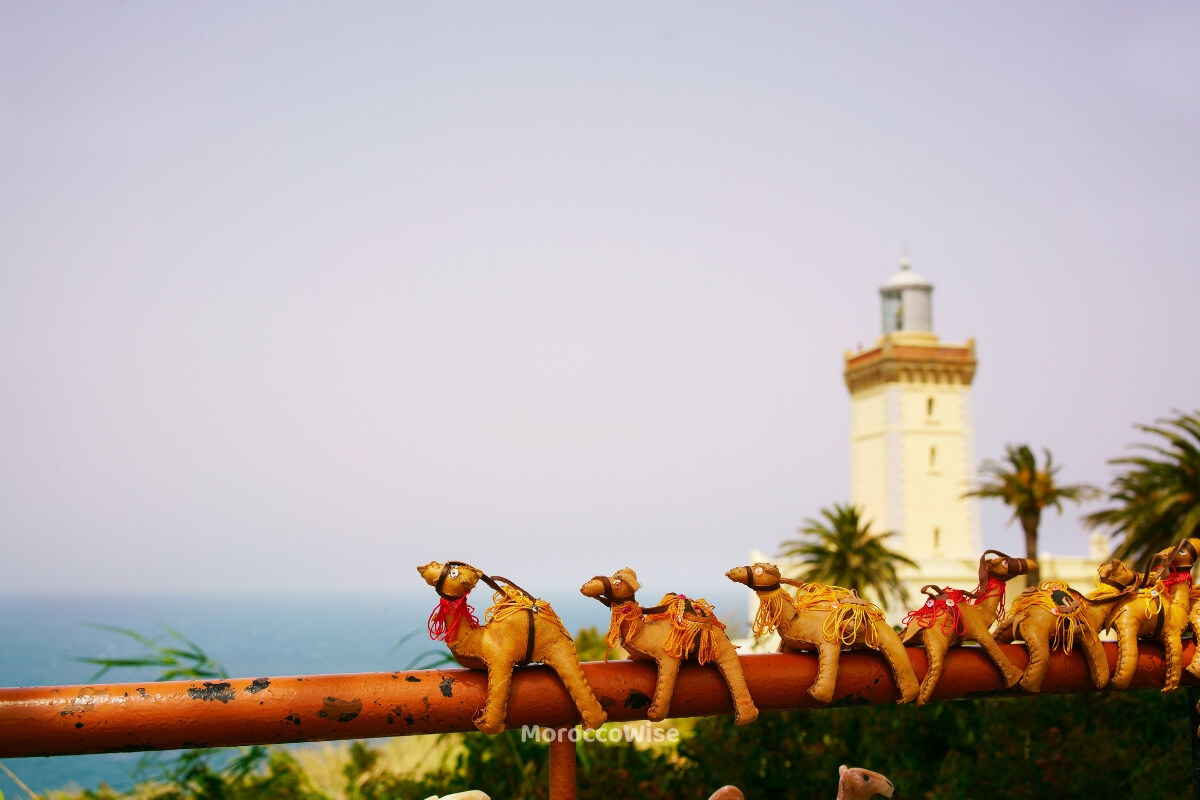
The landscaped area around the cape offers a gentler way to enjoy the coast, with paths and viewpoints among native and ornamental plants. Stroll slowly, watch the changing color of the water, and look for seabirds riding the wind. Facilities, garden access, and upkeep can change by season, so confirm local details if a particular visit or service is important to your plans.
Cap Spartel is also a place to appreciate the natural side of the Tangier region. The headland's exposed position creates a distinctive coastal environment. Avoid disturbing plants or wildlife, take all trash with you, and do not climb onto rocks or barriers for a better photograph.
Planning a visit from Tangier
A taxi or organized excursion is the simplest way to reach Cap Spartel from central Tangier. Agree on the fare and return plan before departing, particularly if you want the driver to wait while you explore. Many visitors combine the cape with the nearby Caves of Hercules; check each site's hours and allow enough time for transport between stops. Bring water, sun protection, and a light jacket, since coastal weather can be breezy even when the city feels warm.
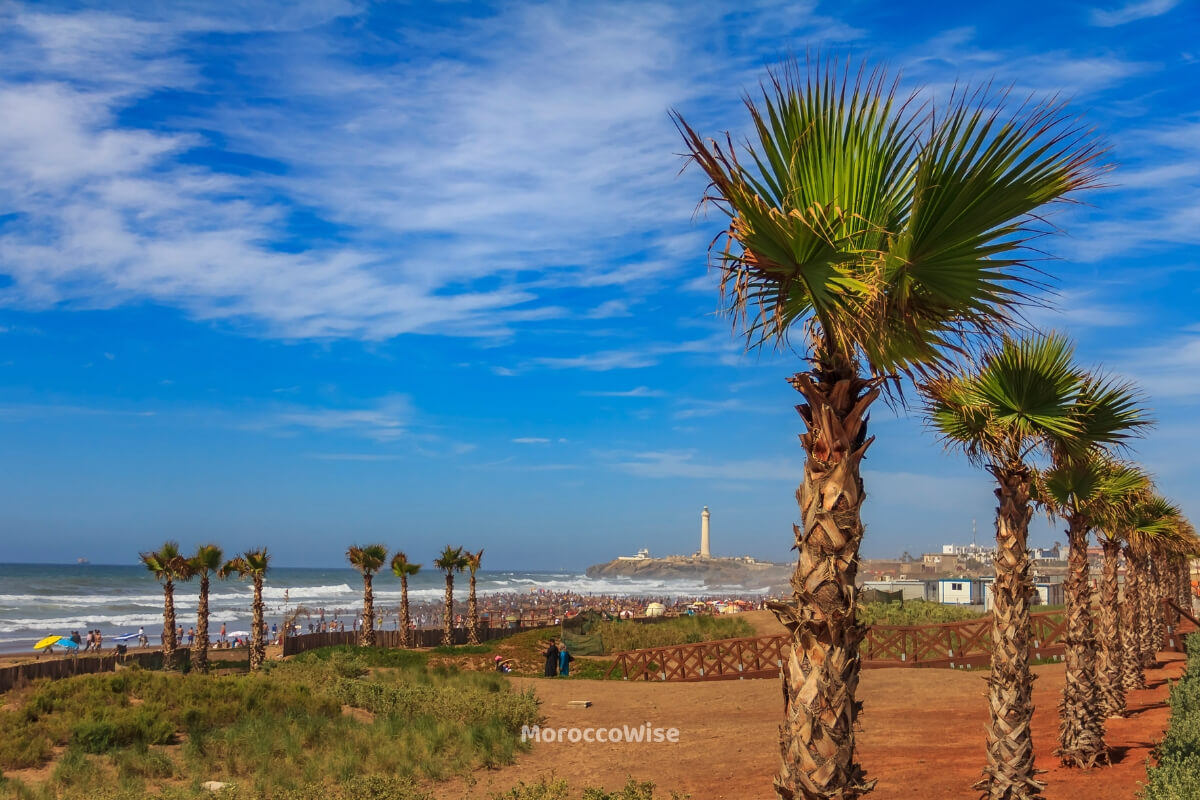
Cap Spartel is more than a scenic photo stop. It is a place where maritime history, dramatic geography, and the meeting of oceanic worlds come together. Whether you visit for the lighthouse, the gardens, or the wide Atlantic views, give yourself time to pause and take in the remarkable setting at Morocco's northwestern edge.